-
The struggle must continue until the Devasthan Inam Abolition Act is completely scrapped – Ramesh Shinde, HJS
-
An appeal to temple trustees to unite for the protection, management, and religious autonomy of temples
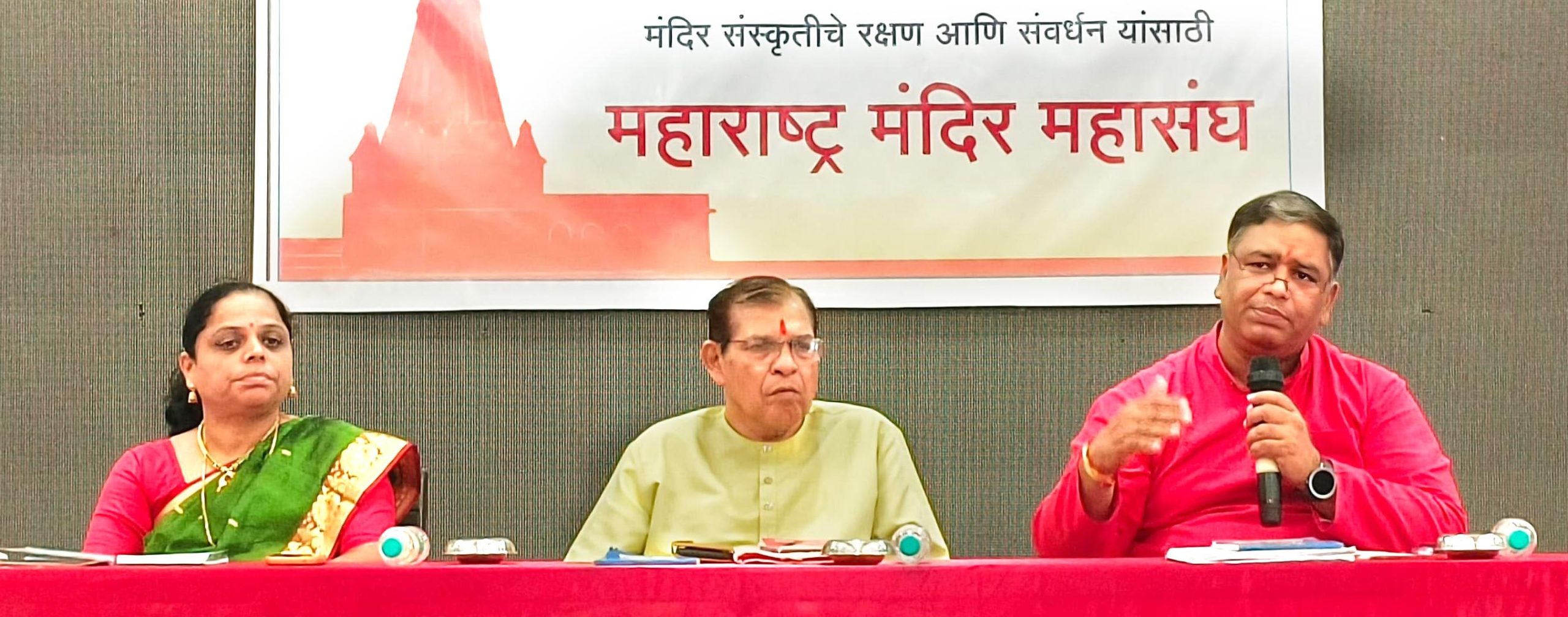
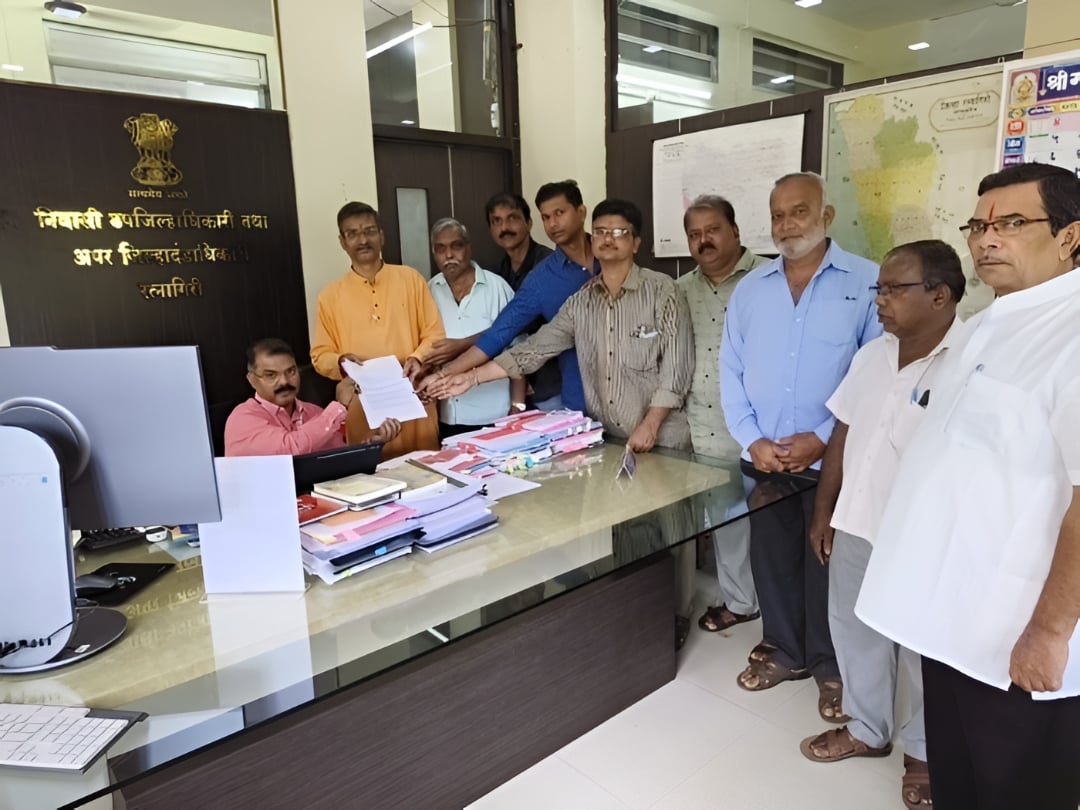
Kudal, Maharashtra – The proposed ‘Maharashtra Devasthan Inam Abolition Draft Act 2026’, faced widespread opposition from across the state. Consequently, the government has been forced to put it on hold for now; however, a stay does not mean the law has been scrapped. Until the government officially announces the withdrawal of this act, temple trustees, devotees, and Hindu society must remain alert and present their stand on this legislation in a united manner, urged Shri. Ramesh Shinde, the National Spokesperson of the Hindu Janajagruti Samiti.
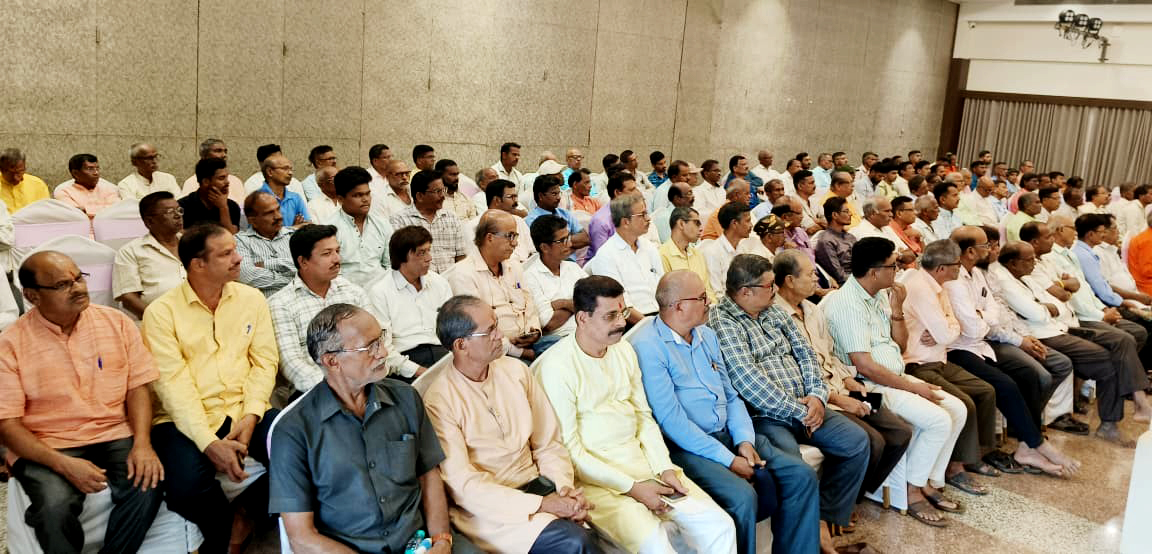
A meeting of temple trustees from Sindhudurg district was organised by the Maharashtra Mandir Mahasangh on 13 June at the Aaradhya Hotel in Zarap, Taluka Kudal. Shri Shinde was speaking as the chief guide on this occasion. The dais was graced by the revered presence of Sanatan Sanstha’s Dharmapracharak Sadguru Swati Khadye and Sadguru Satyawan Kadam. More than 120 devout Hindus, including trustees of various Devasthans from across the district, hereditary titleholders, office-bearers of temple committees, and temple sevekaris, participated enthusiastically in this conference.
Ramesh Shinde outlines critical concerns
- After the government called for suggestions and objections regarding the proposed law, a large number of representations were submitted from across the state, and objections and feedback were registered. Many temple trustees recorded their opinions at the divisional level as well as with the local administration. Following this, the government stayed the process; however, since this is not the final decision, society needs to look at this with seriousness.
- Temples are not merely centres of faith but are the foundational pillars of social, cultural, and spiritual life. Therefore, while formulating policies related to temples, it is essential to consider their traditional nature, local arrangements, and the participation of devotees.
- It is difficult for an individual temple or temple board of trustees to face a major administrative or legal process; however, due to collective efforts, issues can be presented effectively at the government and judicial levels.
- On many occasions, positive decisions have been achieved by presenting issues through coordination among trustees, devotees, and social organisations. Therefore, dialogue, study, and legal preparedness are essential regarding temple issues.
Temple trustees must remain aware that you have been appointed as the confidants of God – Sadguru Swati Khadye
Despite being a Hindu-majority country, the government takes control of only Hindu temples; why then is not a single mosque or church under government control? Because Hindus are not united. In ancient times, temples were centres of Dharmashikshan. Education on Dharma used to be provided through temples. Kings used to support temples. Now, the government is trying to plunder the wealth of temples. Today’s generation lacks faith in God. Doubts are raised about the existence of God because Hindus do not receive Dharmashikshan either from home, school, or temples. Dharmashikshan has been disrupted since childhood. You must constantly remain aware that you have been appointed as trustees of temples as the confidants of God, stated Sadguru Swati Khadye.
Sadguru Satyawan Kadam appealed that, “The spirit of service (Sevabhav), consistency, and societal involvement should be increased in temple management.”
Key takeaways from the meeting
The trustees present at the meeting also raised various issues related to their Devasthans. Discussions were held on temple land records, encroachments, communication with the administration, temple development plans, legal processes, financial management, as well as local difficulties faced by the Devasthans.
Representatives of several temples in Sindhudurg district narrated their experiences and expressed the view that greater coordination, guidance, and a joint stance at the district level are necessary for the protection of Devasthans.
A resolve was expressed on this occasion to increase coordination in the coming period regarding taluka-level meetings of temple trustees, public awareness campaigns, dialogue with devotees, representations, and the necessary legal processes.
The attendees presented their stand to work collectively for temple protection, good management, and the preservation of religious traditions.
6,600 acres of land in Ratnagiri and Sindhudurg districts seized by the government
On 20 August 2018, in Ratnagiri and Sindhudurg districts, under the guise of taking action against unauthorised construction, all the sacred groves (Vanrayas – forest lands) belonging to Hindu temples were registered under the name of the Government of Maharashtra. There is a total of 6,600 acres of land in these two districts. All these lands were transferred to the Forest Department. It was shared on this occasion that a demand has been made to the Minister of State for Law, Ashish Jaiswal, to ensure these lands are returned.