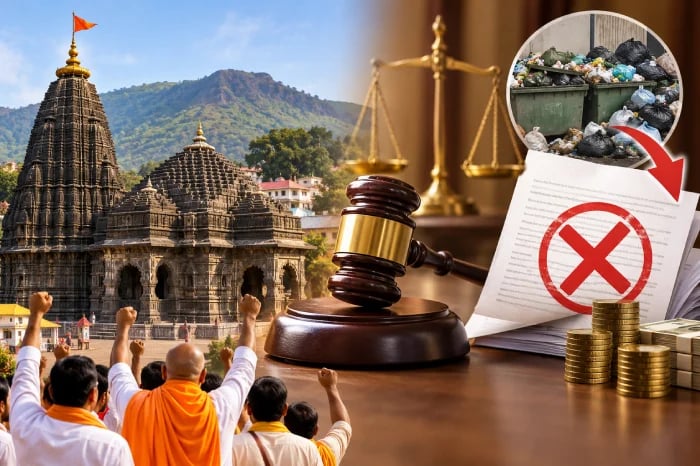
The recent controversy surrounding the demographic disparity in the admission list of the first batch of MBBS at the Shri Mata Vaishno Devi Institute of Medical Excellence (SMVDIME) has brought the contentious issue of temple fund utilisation to the forefront. Of the 50 seats allocated for the inaugural MBBS course, 42 were allotted to Muslim students, highlighting an alarming demographic disparity in an Institute run solely on donations received from Hindu devotees.
While the college administration maintains that the admission process was conducted fairly based on NEET rankings, this technical defence misses the moral point entirely. Many Hindu organisations have condemned this imbalance, staging protests against the Vaishno Devi Shrine Board and demanding the cancellation of the admission list.
Some argue that the Institute should get special status as it is solely funded by temple donations and that it should allow admissions to only Hindu students. Others have demanded that since Hindus are a minority in J&K, the Institute should get ‘minority status’, allowing it to reserve a certain quota of seats for the community that funds it.
Though these demands are fully justified, in reality, we are faced with a legal obstacle in their implementation. Changing the status of a statutory body requires either a Court order or a new Act of Parliament, both of which are lengthy battles laden with legal intricacies. For instance, while Article 30(1) of the Constitution grants minorities the fundamental right to establish institutions and reserve seats for their community, applying this to a State-controlled shrine board is legally complex and will likely end in a deadlock.
So, what should be done?
We must look beyond the immediate legal fight and ask a more fundamental question – ‘What exactly is the role of Devasthans and Temple trusts? How should funds received through donations by devotees be utilised by these trusts?’
For too long, we have accepted a distorted narrative where temples are expected to shoulder the burden of the State. Is building secular schools, colleges, hospitals, or universities the responsibility of temples? Or are we simply doing the work that the Government is elected to do?
Betrayal of Donor Sentiment
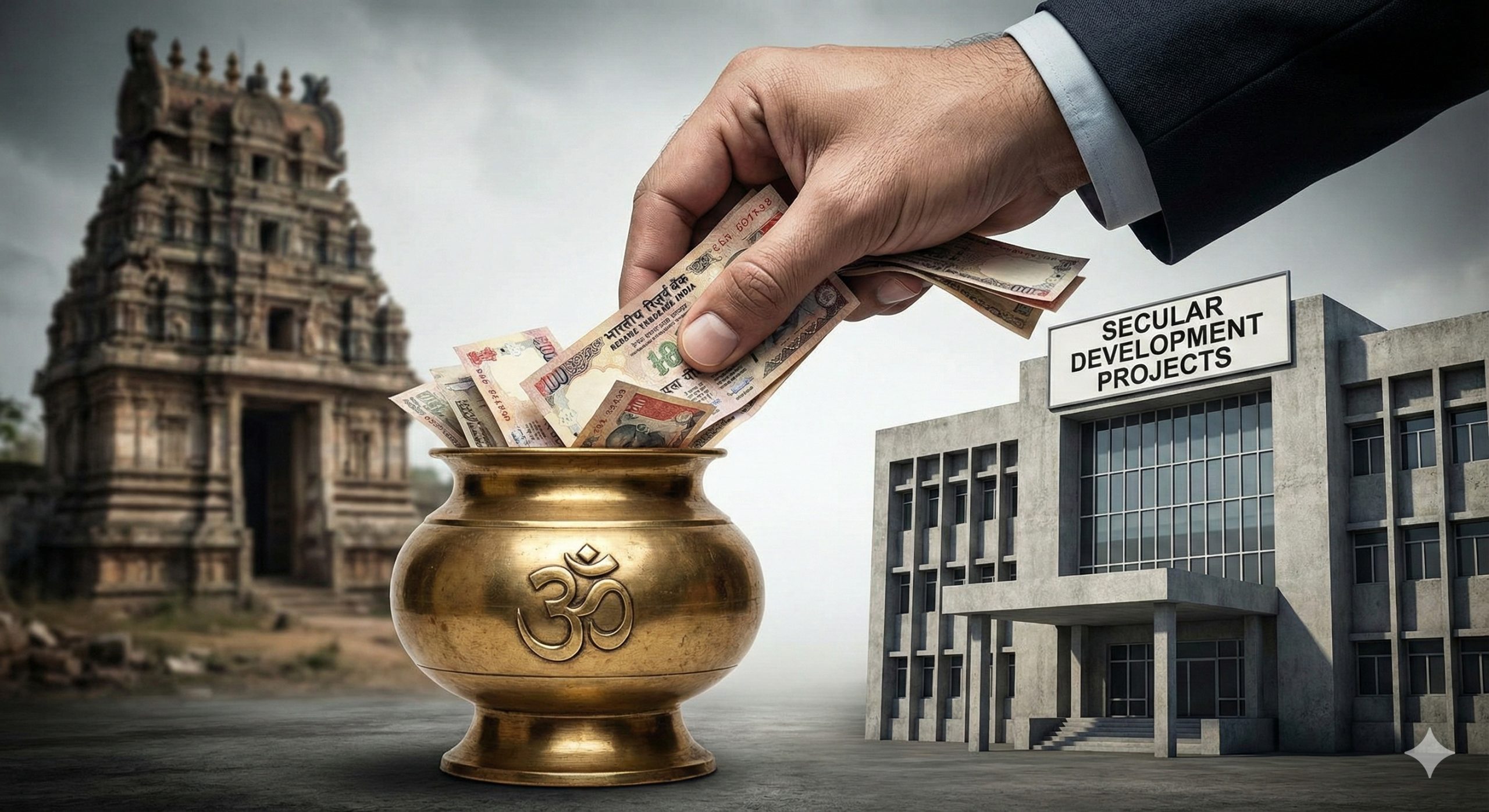
When funds are given to any religious or social group, the intent of the donor is paramount. Devotees drop their hard-earned money into the hundi at Vaishno Devi with the belief that it will serve the temple activities and Hindu Dharma. If these same devotees are asked today whether they are willing to fund the medical education of 42 students from a community that does not believe in the Deity that they worship, the answer will undoubtedly be a resounding “no.” Unfortunately, under the current secular management of temples, the sentiments of donors are disregarded.
National Safety
This is not just about money; it is about future consequences and national safety. The recent arrests of reputed doctors involved in terror modules prove that professional education is no shield against radical ideology. This raises a grave and uncomfortable question: Are we inadvertently funding the education of individuals who may harbour deep-seated hatred towards the very Deity and the mode of worship that paid for their degrees?
Reclaiming the purpose of temple wealth
If we agree that temples should not be functioning as cash cows of the Government, how then should these funds be utilised? The resources of the Devasthan must be used to strengthen the ecosystem of the faith, not dilute it.
1. Internal sustenance: First and foremost, temple funds must ensure proper maintenance, upkeep, and renovation of the temple structures. Furthermore, the priests and sevaks who dedicate their lives to the seva of the temple Deity should be paid respectable salaries to live in dignity.
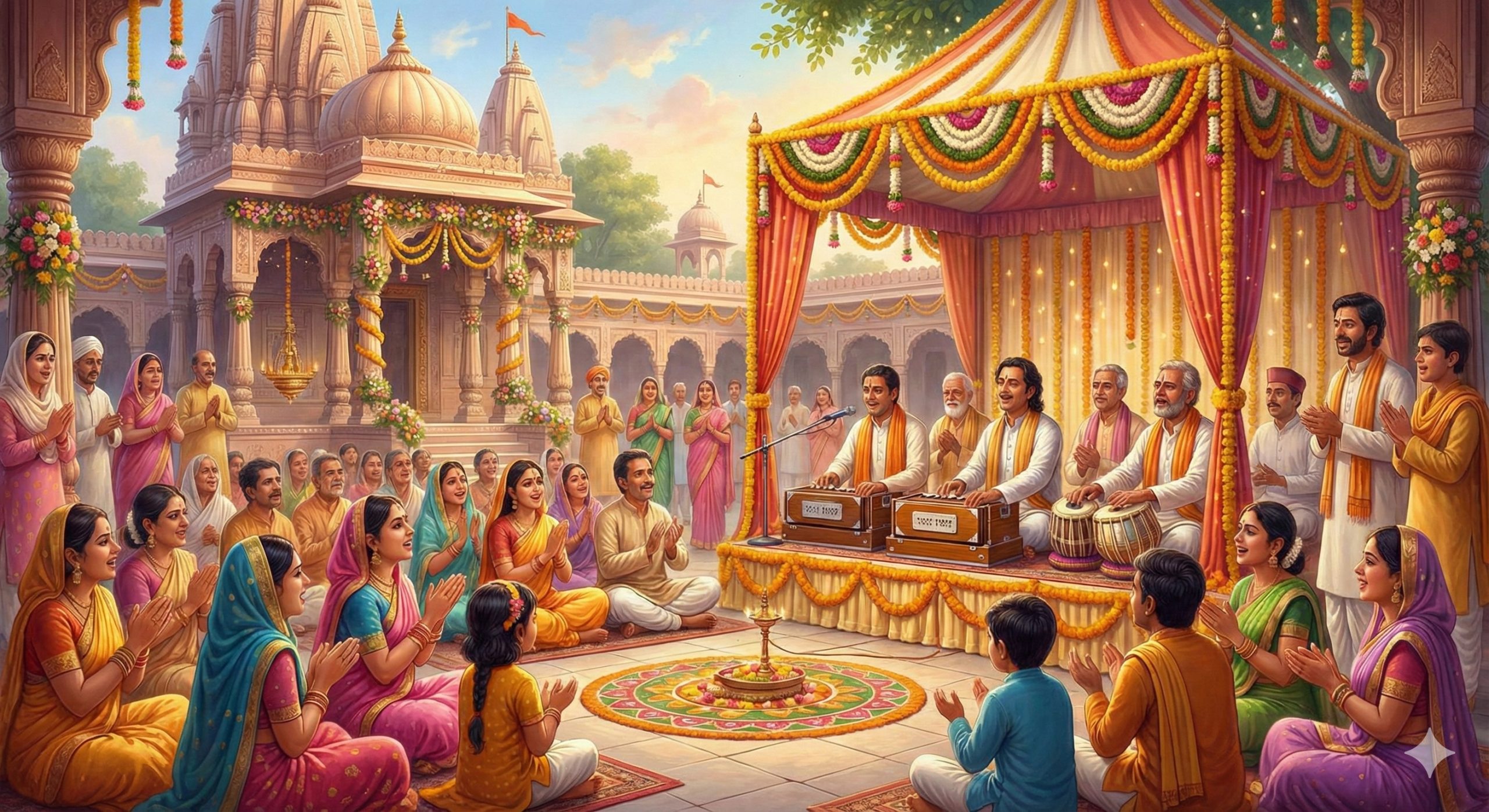
2. Reviving cultural vibrancy: Temples must be more than silent monuments; they must be vibrant centres of community life. Funds should be allocated to organise regular bhajans, kirtans, satsangs, and cultural festivals in temple premises. These events foster spiritual upliftment and bind the Hindu community together in shared devotion—a social cohesion that secular institutions fail to provide.
3. Dharmashikshan (Propagation of Dharma): Temple funds must be proactively used to spread awareness about Sanatan Dharma. This includes funding TV channels, radio stations, and digital media platforms dedicated to Hindu Dharma and culture, as well as organising regular Dharmashikshan classes for the community.
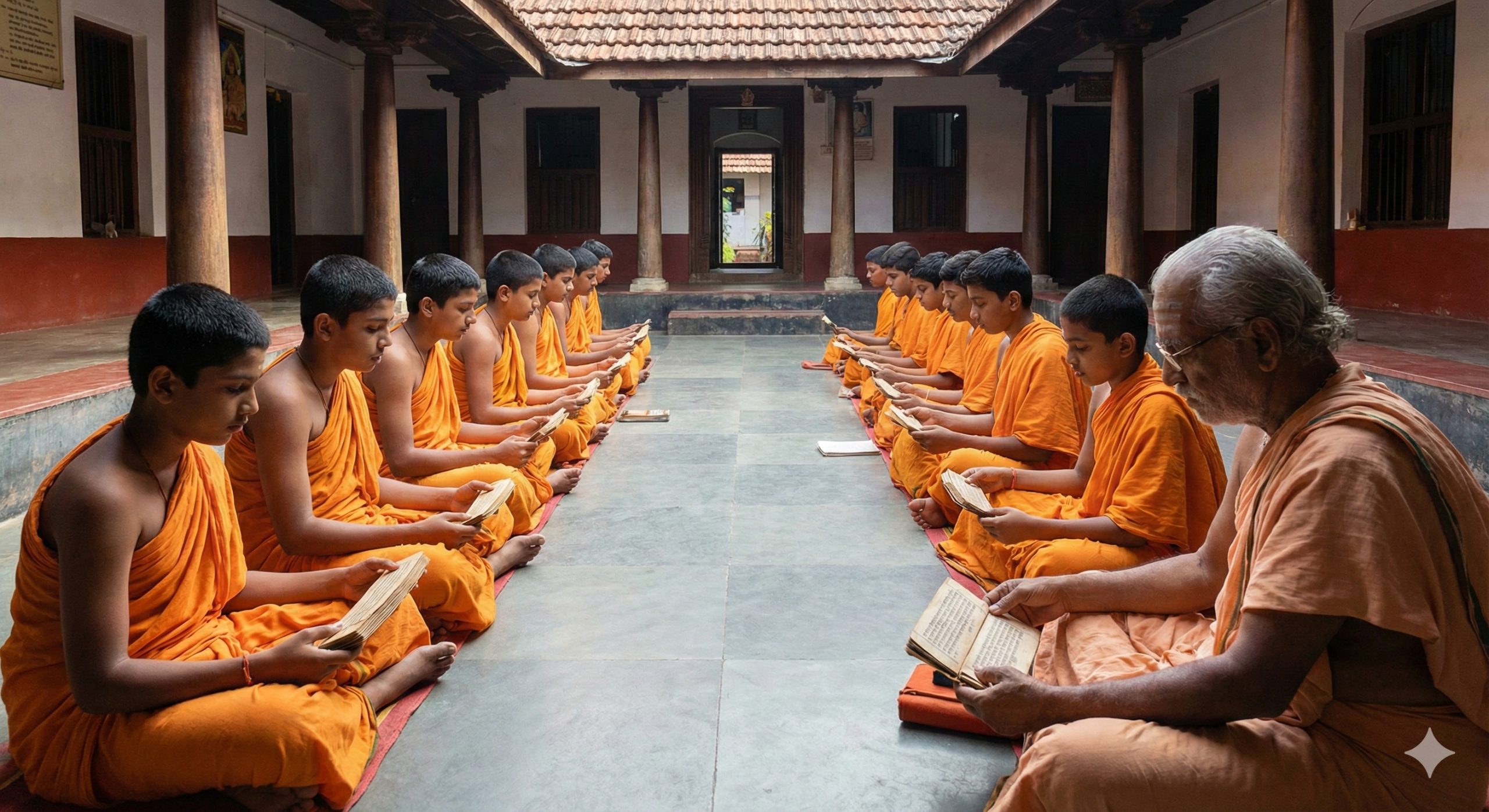
4. Preserving knowledge systems: If we do not fund our own traditions, they will soon perish. Temple money should be directed toward opening and maintaining Ved Pathshalas and Yadnya-shalas. As modern secular education ignores our ancient wisdom, without these institutions, the knowledge of the Vedas—the very root of our civilisation—will vanish. Also, we need to subsidise Sanskrit teaching courses to ensure that the profound philosophy, ethics, and rituals of Sanatan Dharma are not lost to time but are imbibed by future generations.
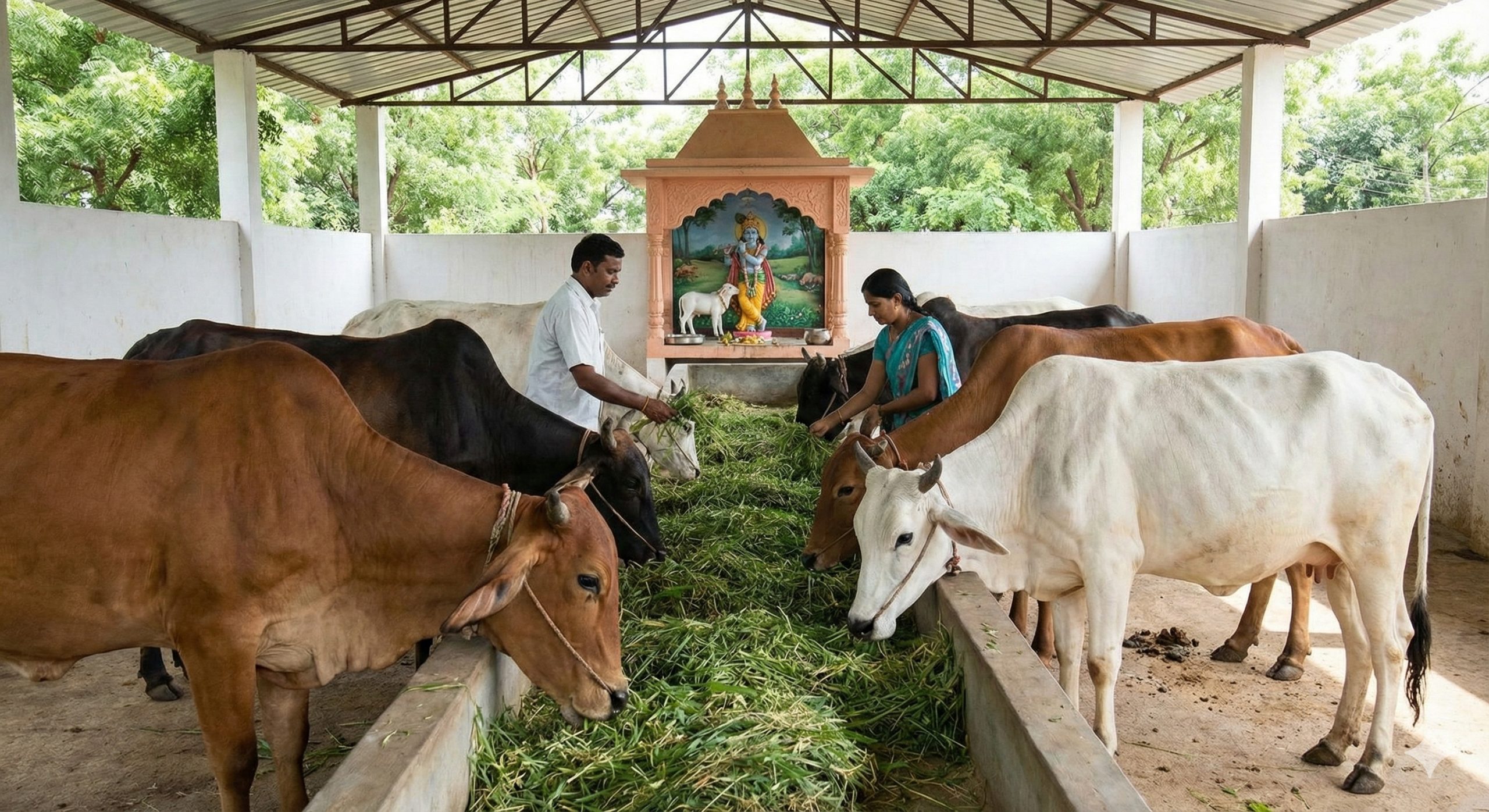
5. Protection of the sacred Goshalas: In Sanatan Dharma, the cow is not merely an animal but a symbol of divinity. Temple trusts must establish large-scale Goshalas not just as shelters, but as centres of sustainability. Cow protection is a spiritual duty that brings merit to the community, a purpose far higher than building secular infrastructure.
The Root of the Problem
If the path is so clear, why is it not happening? Opening schools and colleges is the job of the Government. When temples take this responsibility upon themselves, they inadvertently aid in the fading away of Dharma by diverting resources from spiritual to secular causes.
The paralysis stems from three major issues:
1. Government control of temples: The elephant in the room is the government takeover of wealthy temples. Unlike other faiths where institutions are autonomous, Hindu temples are often managed by bureaucrats who may be indifferent to the faith or even atheists. They treat temple donations not as sacred offerings, but as a revenue stream to plug gaps in the state budget or fund secular development projects that have nothing to do with Dharma.
2. Lack of Dharmic awareness in trustees: Even where direct government control is loose, the appointed trustees often view themselves as corporate managers rather than Dharmic guardians. They often lack the vision to see that a temple’s wealth is meant for sustaining the faith, not just maintaining the building.
3. Public indifference: Finally, the indifferent attitude of the Hindu public allows this to continue. While other communities aggressively protect their institutions, the Hindu community has largely remained passive, treating temple mismanagement with an indifferent attitude. Until we demand accountability and treat our donation as a vote for Dharma, the State will continue to take our funds for granted.
The Way forward for devotees
The administration will not change its course unless forced to do so. As devotees, we hold the most powerful weapon – our contribution. It is time to exercise ‘donation discretion’.
1. Stop blind donations: Do not drop money into the hundi blindly. If a Temple board cannot guarantee that your donation will be used for Dharmic causes, redirect your funds to private Mutts, Ved Pathshalas, and Goshalas run by Sampradayas that are free from government control and are actually working for the upliftment of Sanatan Dharma.
2. Demand transparency: Devotees must demand white papers from Temple boards. We need to know exactly what percentage of funds is spent on Dharmic upkeep versus secular projects. Transparency is the only way to expose the diversion of funds.
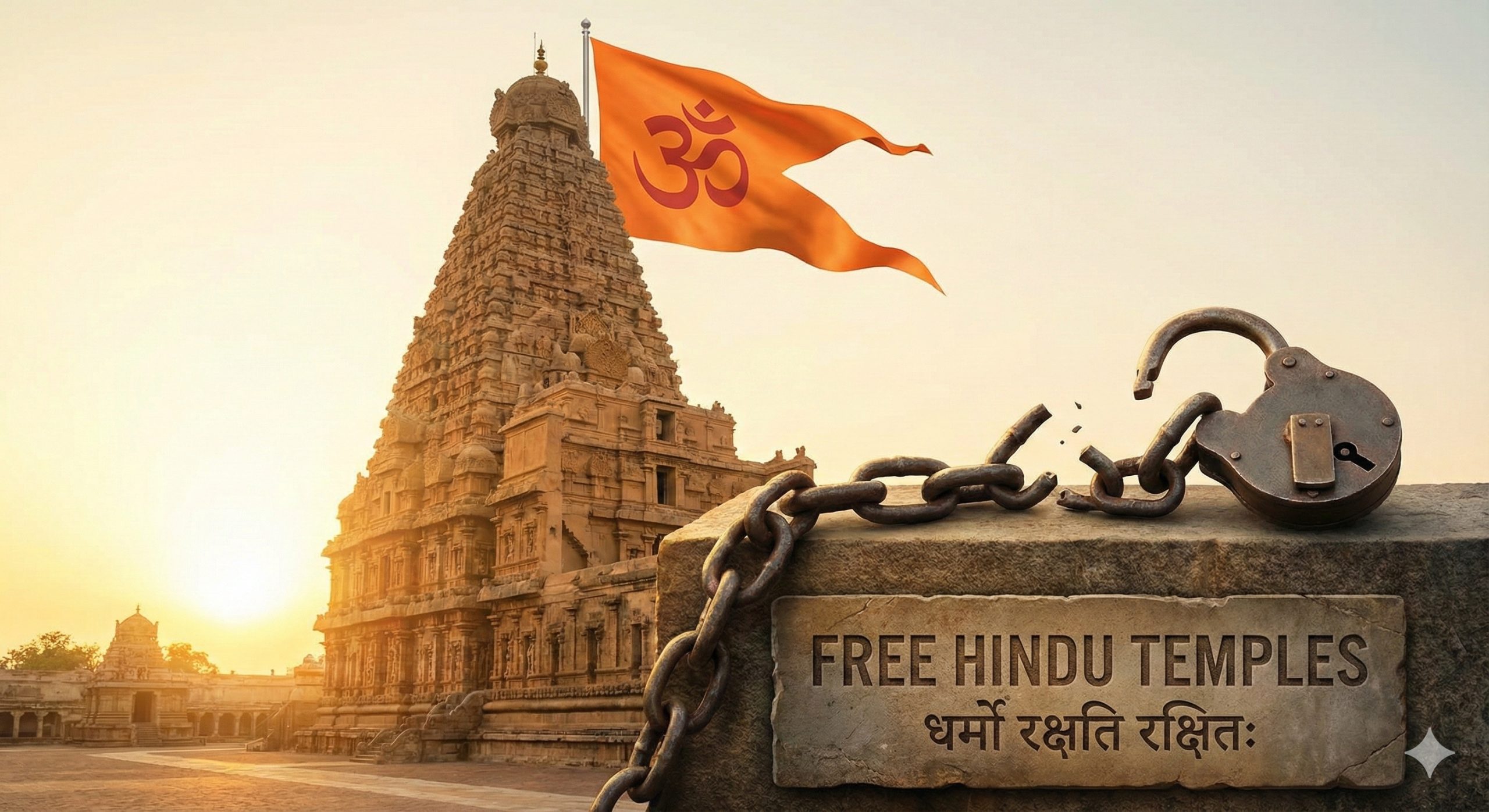
3. Support the ‘Free Hindu Temples’ movement: The root cause is government control of our temples. We must actively support legal and organisational movements that aim to liberate Hindu temples from state clutches, returning them to spiritually-minded devotees who actually know the value of our Dharma and culture.
Conclusion
The Vaishno Devi admissions debacle is not merely an administrative error; it is a manifestation of a systemic looting of Hindu resources. We are in a paradoxical situation where we fund the very systems that marginalise us. If we do not wake up now and reclaim the purpose of our temples, we will continue to pay for our own decline.
THE CHOICE IS OURS
Will our donations help the upliftment of our Sanatan Dharma, or will they continue to fund a secular machinery that has no respect for the hands that feed it? The choice is ours!
Reclaiming the right to control our Temple funds begins with you. Join the ‘Free Hindu Temples’ movement. [Click Here]