‘Adinath Puratan Shiv Mandir’ group begins worship near Adina Mosque
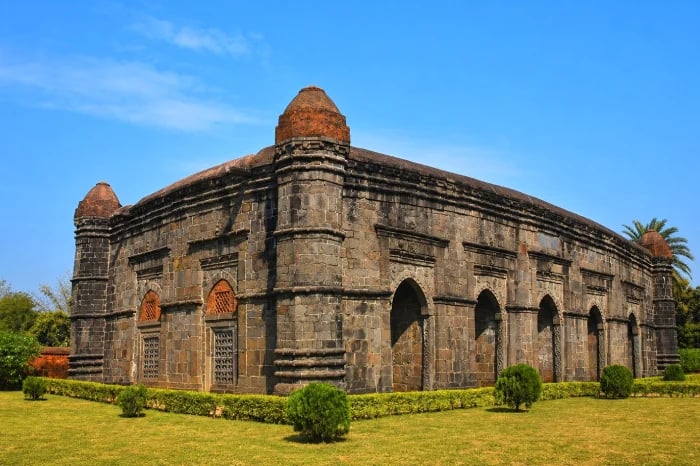
Malda, West Bengal — A Hindu organisation, supported by local Bharatiya Janata Party (BJP) leaders, has initiated religious worship near the 650-year-old Adina Mosque complex in Pandua, Malda district. The organisation named ‘Adinath Puratan Shiv Mandir’, announced plans to install a 3.6-foot-tall Shivalinga weighing approximately 1.5 tonnes outside the complex. The Shivalinga is being transported from Tarakeshwar, located roughly 289 kilometres away.
बंगाल की अदीना मस्जिद को लेकर विवाद गहराता जा रहा है. यहां आदिनाथ मंदिर होने का दावा करने वाले लोगों ने सावन में शिवलिंग की स्थापना और रुद्राभिषेक की तैयारी की है.#AdinaMosque | @RajputAditi | @journal_raman pic.twitter.com/CT5QR21ZCR
— NDTV India (@ndtvindia) July 27, 2026
Mosque built after demolishing the Adinath Temple
The organisation’s chief patron and BJP leader, Shri. Kajol Goswami, stated that the so-called mosque contains idols of the Hindu and Buddhist faiths. The Adinath Temple was demolished to construct the mosque on this site. The aim is to re-establish the temple and place the Shivalinga inside it. The organisation will fully abide by the law. Officials of the Archaeological Survey of India and the police have directed them to conduct worship only outside the protected monument area.
Archaeological department issues regulations
Following these events, the Malda District Police issued regulatory guidelines, reminding the public that the Adina monument is a designated “protected monument” under the Ancient Monuments and Archaeological Sites and Remains Act of 1958. Consequently, conducting unauthorised religious rituals or worship within the enclosed monument grounds is strictly prohibited by law.
BJP raises the issue in Parliament
BJP Rajya Sabha Member of Parliament Samit Bhattacharya raised the issue in Parliament, urging the Central Government and the ASI to focus efforts on protecting the site’s original Adinath Temple heritage. In response, CPI(M) Executive Committee member Mohammed Salim alleged that the initiative represents a recurring political strategy by the BJP to polarise voters.
History of the Adinath Temple
Official documents record that the Adina Mosque was built between 1373 and 1375 under Sultan Sikandar Shah. However, numerous archaeological and architectural evidences indicate that the site’s history is far older. It was constructed largely using stones, pillars and carved materials brought from earlier Hindu and Buddhist religious sites of the Pala-Sena period (8th to 12th centuries).
Several idols and other remains inside the mosque show that a grand Adinath Temple and a temple of Lord Vishnu once stood here. The mosque’s mimbar (the pulpit from which the imam addresses the congregation) was itself made using a black basalt doorway taken from temple remains. Carvings of Lord Shiva, Lord Ganesha and other Hindu symbols are visible on the walls, doors and arches. Floral motifs, chaitya arches, kirtimukhas, strings of pearls and chain-and-bell designs are also present. Such decorative work is not generally regarded as part of Islamic architecture and is therefore attributed to the Pala-Sena period. Even today, broken Shivalingas and dislodged idols of Hindu deities can be seen within the complex and on the surrounding walls.
सबसे निवेदन है कि आदिना मस्जिद में पूजा आरंभ हो, उसके लिए आगे आए और सरकार से अपने अधिकार पाने का आग्रह करे। @narendramodi @AmitShah @PMOIndia @PIBHomeAffairs @HinduJagrutiOrg @Vishnu_Jain1 @AdvParthYadav @munjal_mani pic.twitter.com/D5W98dsXi6
— Hari Shankar Jain (@adv_hsjain) March 7, 2024
Advocate Hari Shankar Jain’s letter to Prime Minister Modi
Senior advocate Hari Shankar Jain called upon Hindus to reclaim the right to worship at this site. He also wrote to Prime Minister Narendra Modi, highlighting the historical destruction that occurred during the reign of Sultan Sikandar Shah.