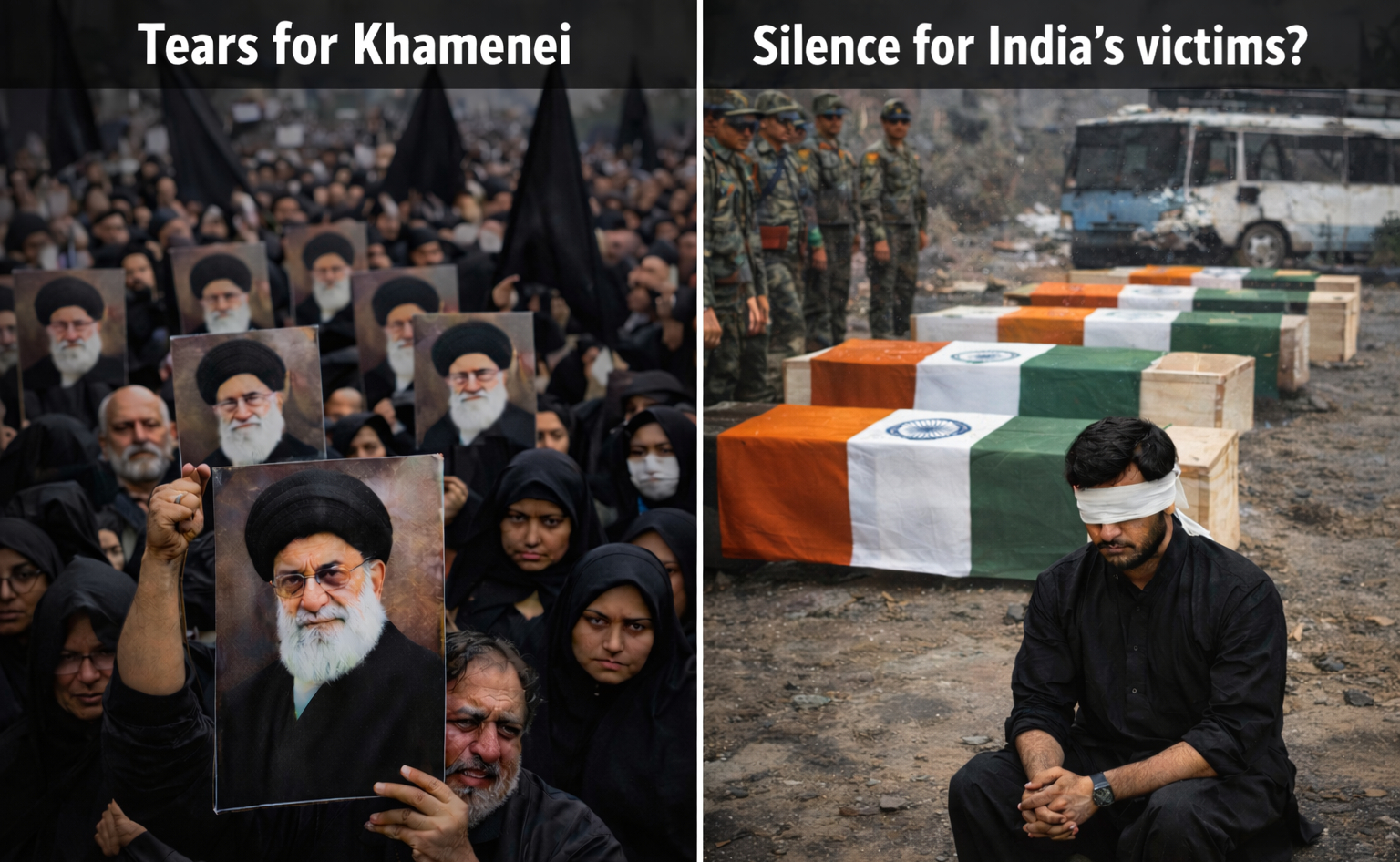
After Ayatollah Ali Khamenei, Iran’s Supreme Leader, was killed in US-Israeli strikes on February 28, 2026, a large section of India’s Muslim community erupted in visible grief and protest. For many, he was considered as the head and defender of Muslims worldwide. Demonstrations broke out in multiple states across the country. In Kashmir alone, 75 massive protests, including large vehicle convoys and marches, were reported. Thousands marched in Srinagar’s Lal Chowk, Budgam, Anantnag and Pulwama, carrying portraits of Khamenei and chanting slogans against America and Israel. Protests turned violent in some areas, with at least fourteen people, including six security personnel injured during clashes on 2 March.
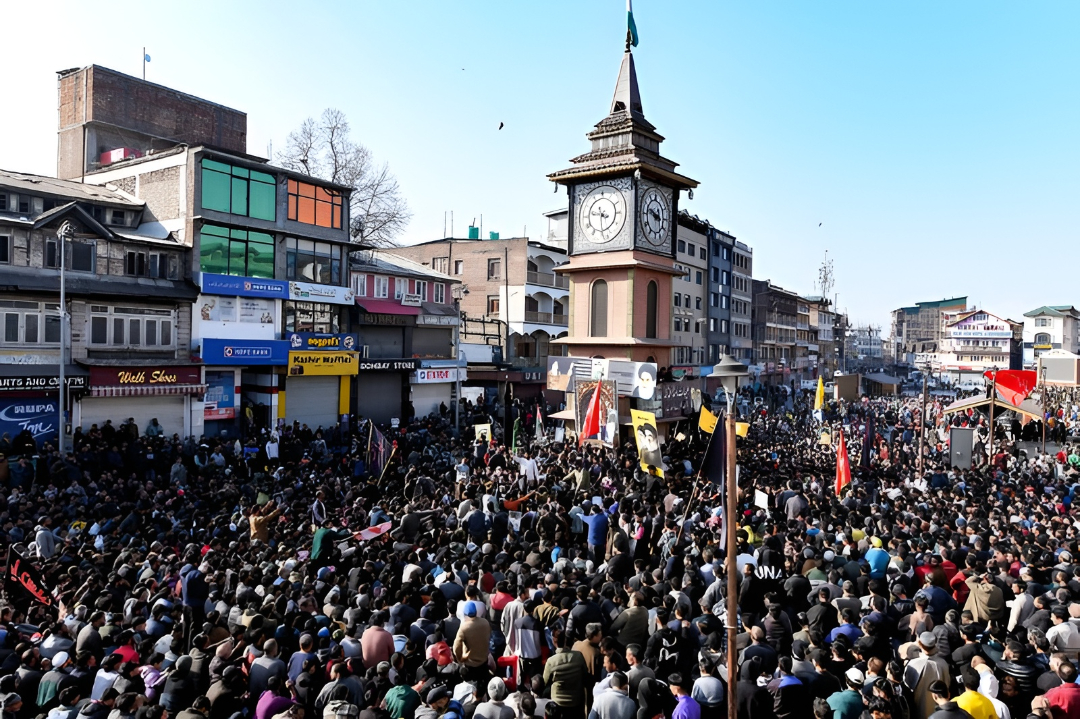
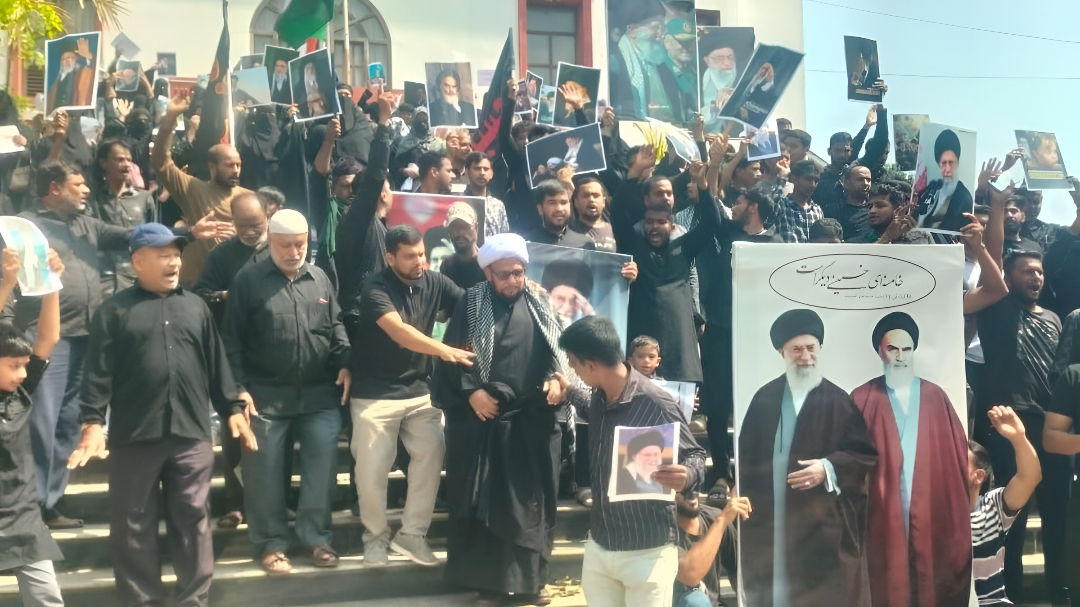
Similar protests and mourning rallies were seen in multiple places across India, including Hyderabad’s Old City, Lucknow’s Bara Imambara, Delhi’s Jantar Mantar, Bhopal, parts of Uttar Pradesh, and even in Karnataka towns like Shivamogga, with thousands carrying portraits of Khamenei, beating their chests in grief, chanting slogans against America and Israel, and waving black flags.
In Shivamogga, Karnataka, during one such protest, a burqa-clad woman told a news channel in raw emotion: “He was greater than our father to us. We will give birth to 100 children at a time, but we will not surrender.” The clip went viral on social media. Similar emotionally charged, defiant statements were heard elsewhere.
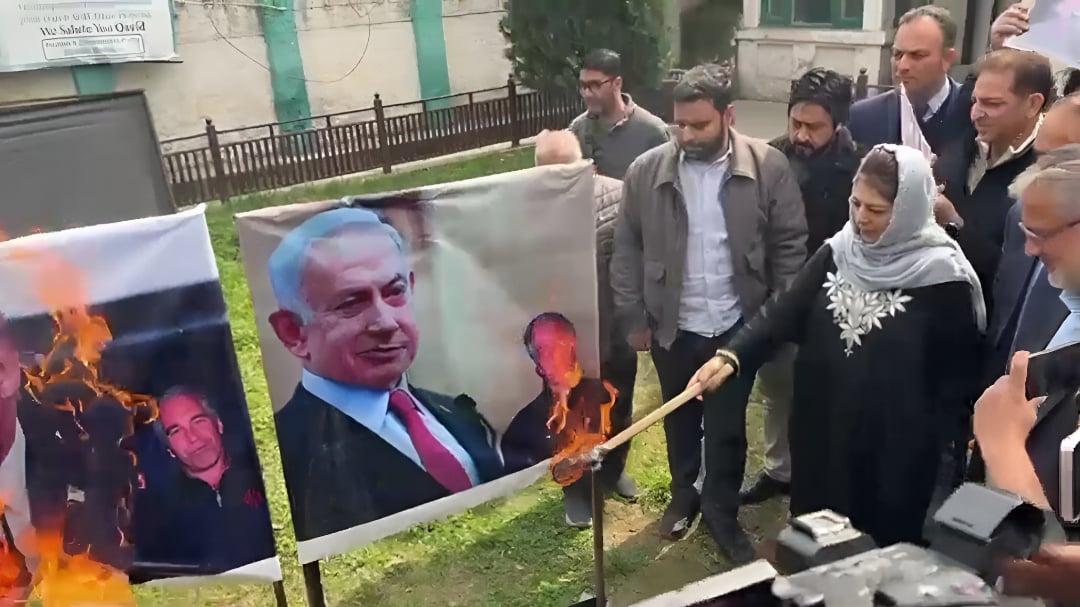
Meanwhile, former J&K Chief Minister Mehbooba Mufti publicly burned posters of Trump and Netanyahu and said history would judge those who stayed silent on the killing.
This scale of public mourning is striking. Yet it forces an honest question – why such intense emotion for a foreign leader who repeatedly interfered in India’s internal matters, while similar street-level outrage has been missing from the community when Indian citizens and security personnel are killed by terrorists on our own soil?
Khamenei’s repeated interference in Indian affairs
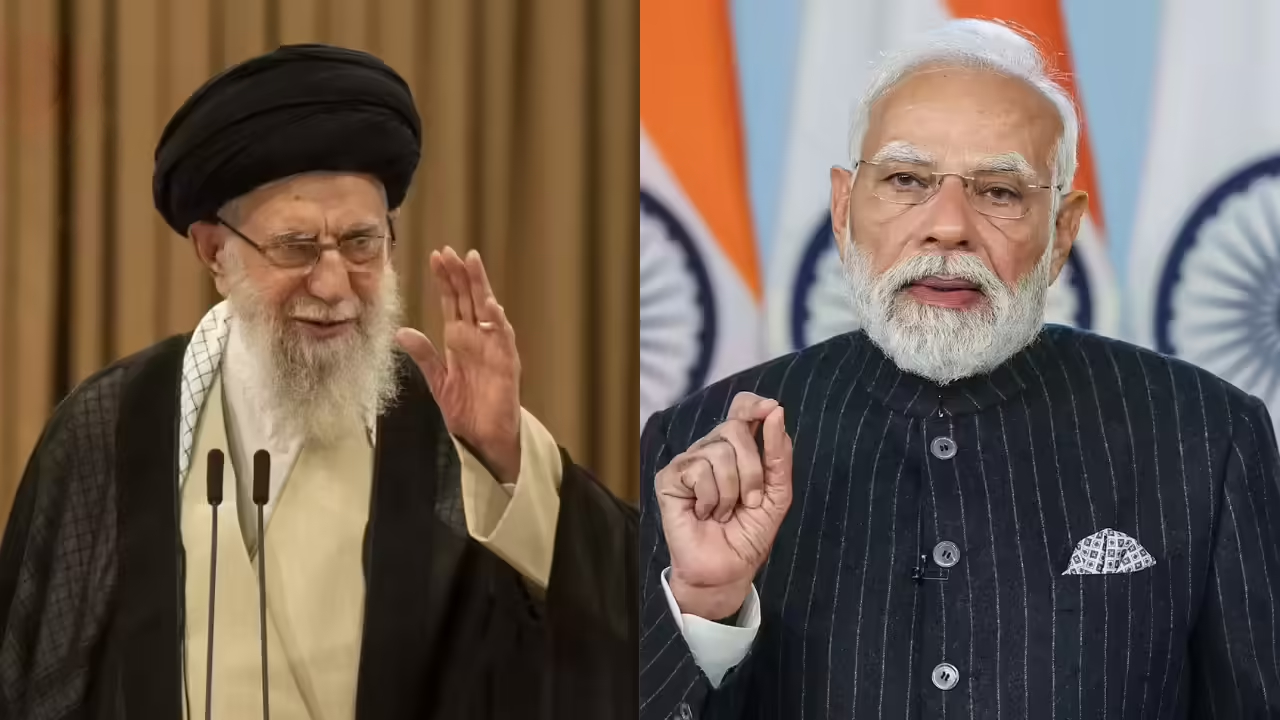
Between 2017 and 2025, Khamenei commented on India’s domestic issues multiple times in ways that New Delhi officially described as unacceptable interference:
- In 2017, he called on the Muslim world to support what he described as “oppressed Muslims of Kashmir.”
- After the abrogation of Article 370 in 2019, he tweeted that India should adopt a “just policy” towards Kashmir’s Muslims and prevent “oppression and bullying” of Muslims.
- In March 2020, after the Delhi riots, he spoke of a “massacre of Muslims” and warned the Indian Government to confront “extremist Hindus” in order to prevent India’s isolation from the world of Islam.
- As recently as September 2024, he grouped India with Gaza and Myanmar as places where Muslims were suffering. His statement read , “We cannot consider ourselves to be Muslims if we are oblivious to the suffering that a Muslim is enduring in Myanmar, Gaza, India, or any other place.”
- India’s Ministry of External Affairs summoned the Iranian ambassador multiple times and marked these statements as “misinformed” and “unacceptable”.
The man many are mourning
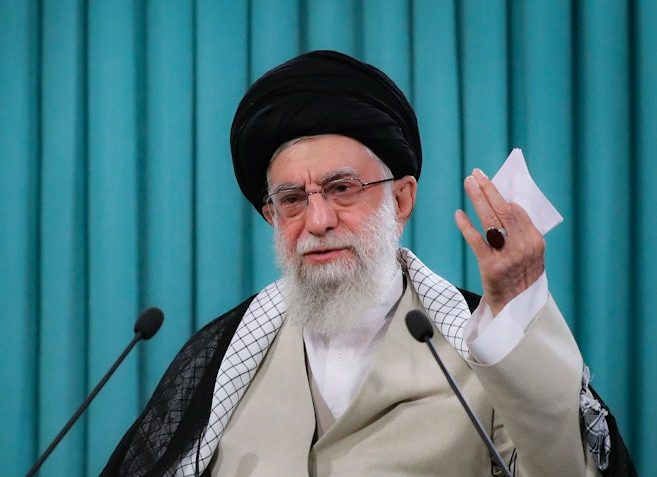
Inside Iran, Khamenei’s nearly 37-year rule was marked by brutal suppression of dissent. Nearly 1,500 protesters were killed in the 2019 fuel-price protests alone. Thousands more died in the unrest of December 2025–January 2026. Kurds and Baloch minorities faced documented atrocities, and political opponents were routinely imprisoned and tortured in his regime. Women and girls who defied compulsory hijab laws faced severe punishments, including imprisonment, exorbitant fines, and documented cases of torture (beatings, psychological abuse, and in some cases sexual violence) in detention. Mahsa Amini’s 2022 custodial death after arrest for “improper hijab” remains emblematic of this brutality, sparking widespread outrage and the “Woman, Life, Freedom” protests. He also openly provided moral, financial, and political support to groups designated as terrorist organisations by many countries, especially Hezbollah and Hamas.
Global reaction
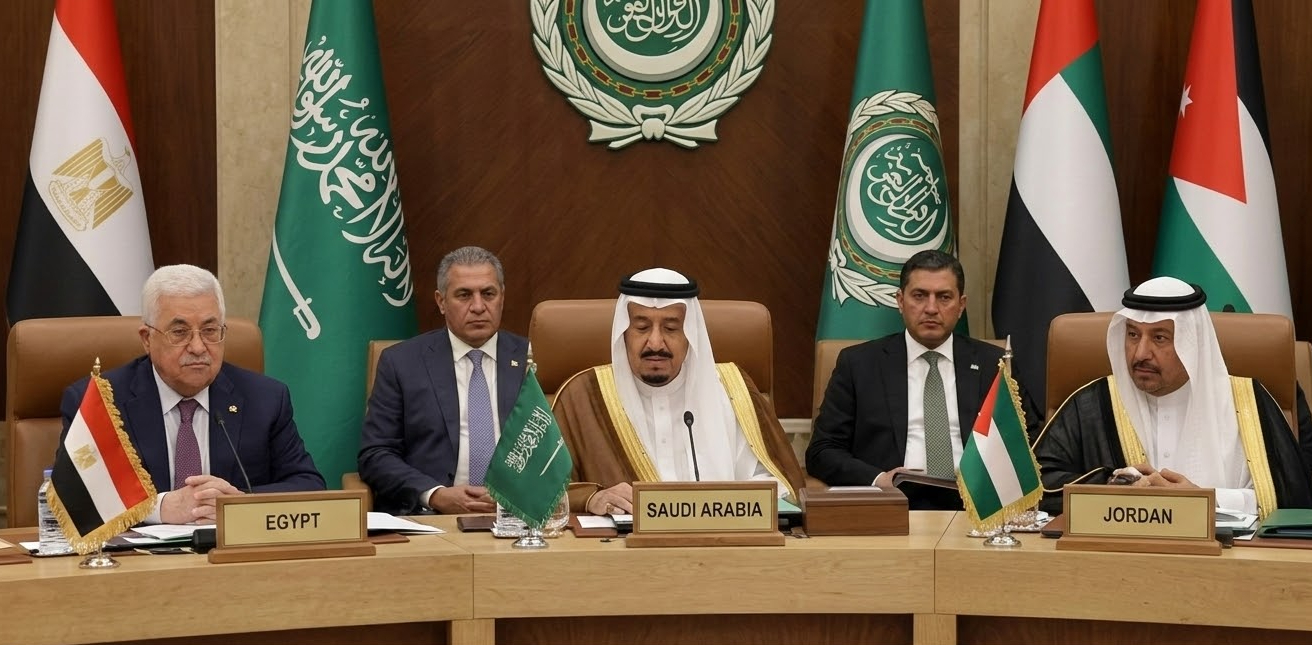
Globally, the reaction to Khamenei’s killing was muted. Iran declared 40 days of national mourning, but out of the 57 member countries of the Organisation of Islamic Cooperation, only a handful issued official statements of condolence. Most Arab nations and many other Muslim-majority countries stayed silent or focused on condemning Iran’s retaliatory strikes rather than mourning Khamenei himself. In stark contrast, India saw some of the most visible and widespread public mourning outside Iran, with massive protests and rallies across at least 13 states — highlighting the intensity of solidarity among certain sections of the Indian Muslim community for a foreign leader whose domestic rule was marked by repression of his own people.
The double standard that cannot be ignored
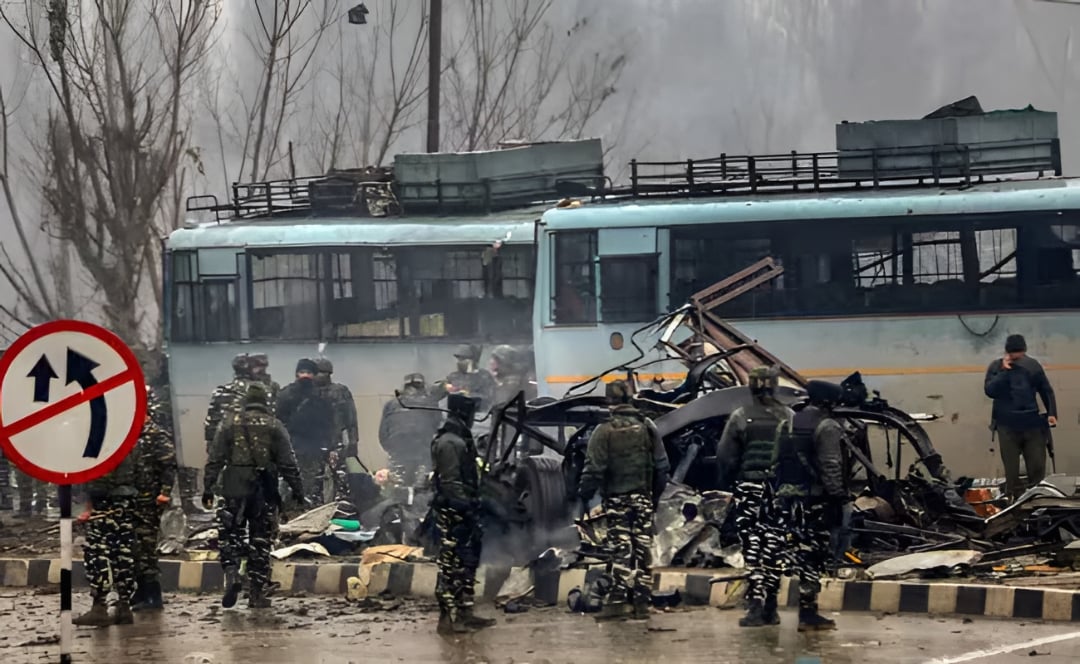
This brings us to the most uncomfortable point – when terrorists killed 26 Indian tourists in the Pahalgam attack in April 2025, and when over 40 Indian paramilitary soldiers were killed in a terrorist attack in Pulwama in 2019, protests for condemning the violence remained limited mostly to verbal condemnation and symbolic protests, such as wearing black armbands during prayers. Notably, these protests never matched the nationwide intensity, grief and attention being given to Khamenei’s death.
A question of priorities and loyalty
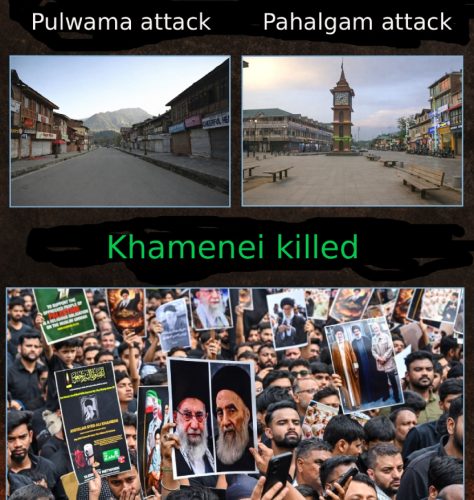
No one is questioning anyone’s right to mourn or protest peacefully. But when the same communities mobilise in large numbers for a foreign theocrat who repeatedly criticised India, while responses to terror attacks on Indian soil often remain subdued or low-profile on national television, ordinary citizens are bound to ask: where do ultimate loyalties lie?
Emotional attachment of a certain section of society to a foreign leader who backed Pakistan on Kashmir and openly called out Indian policies cannot be brushed aside as “just religious sentiment”. It raises genuine questions about integration, shared national priorities, and whether loyalty is clearly misplaced.
Every community, especially its influential voices, must reflect on whether selective outrage helps or hurts the cause of communal harmony.
India’s strength has always been its ability to debate uncomfortable truths openly. The massive mourning for Khamenei, contrasted with far quieter responses to attacks on our own soil, is one such truth that demands honest introspection and open debate, not avoidance.