On 7 November 2025, ‘Vande Mataram’ – the song of inspiration that fuelled India’s freedom struggle, completes 150 years. During British rule, this song played a pivotal role in awakening the spirit of resistance. The mere utterance of these two words stirred the hearts of countless Indians, inspiring millions to join the nation’s struggle for independence and thousands to sacrifice their lives. Though Jana Gana Mana is the National Anthem, Vande Mataram found a deeper place in the hearts of the people. The phrase Vande Mataram signifies not merely a salutation to the Motherland, but also embodies the spirit of sacrifice, courage, and supreme love for the nation. Recognising its invaluable contribution, the Constituent Assembly on 24 January 1950 accorded Vande Mataram equal status with the National Anthem.
In keeping with this legacy, the Union Ministry of Culture has decided to commemorate the 150th anniversary of Vande Mataram nationwide. Through collective singing, seminars, exhibitions, school events, essay competitions, and public campaigns, Vande Mataram will once again echo across the nation, rekindling the spirit of national pride.
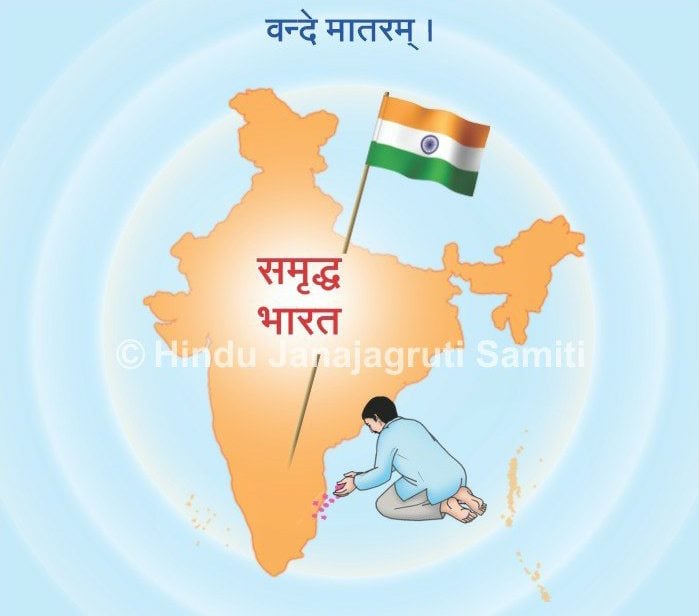
However, it is disheartening that even today, certain public representatives openly refuse to to utter these sacred words that symbolise Nationalism. For instance, Samajwadi Party’s MLA Abu Azmi has publicly said that Muslims should not be compelled to recite Vande Mataram. He argues that while Islam reveres the mother above all, Muslims should not be required to sing it. But if one truly loves and honours one’s mother, what objection can there be in saluting the Mother who nourishes all – Bharatmata Herself? Such arguments reflect a narrow mindset and a misplaced sense of religious rigidity. It is unfortunate that when such remarks were made in the Legislative Assembly, not a single dissenting voice was raised. When elected representatives treat national symbols with contempt, it sets a worrying precedent.
It must be understood that Vande Mataram is not a symbol of any particular religion; it is the embodiment of Nationalism and gratitude to the Motherland that sustains us all. No matter which faith one follows, whether Hindu, Muslim, Christian, Sikh, Buddhist or Jain, every Bharatiya who loves this sacred land is a child of the same Mother. Those who respect the spirit of Bharat and uphold her unity are bound together by an invisible thread that transcends all divides.
The glory of Vande Mataram lies in its timeless call for unity. It reminds us that our first identity is that of a Bharatiya, above region, caste, or creed. As we celebrate its 150th anniversary, let us ensure that the next generation not only sings Vande Mataram, but lives its essence, through integrity, courage, and unwavering love for Bharat. For as long as the words Vande Mataram echo in our hearts, the soul of this Nation shall remain immortal. May every citizen rise above differences and sing with pride: Vande Mataram — I bow to thee, O Mother!
The History of Vande Mataram
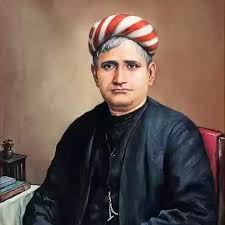
Bankimchandra Chattopadhyay’s novel ‘Anandamath’ was published in serial installments. It is believed that the song ‘Vande Mataram’ from this novel was composed on 7th November 1875, the day of Akshay Navami.
In 1896, Gurudev Rabindranath Tagore sang Vande Mataram at the Calcutta session of the Indian National Congress. Thereafter, it became customary to sing the first two verses of Vande Mataram at Congress gatherings. Gradually, the song found a cherished place in the hearts of Bharatiyas.
Learn more about the meaning, history and significance of Vande Mataram.
Exhibition
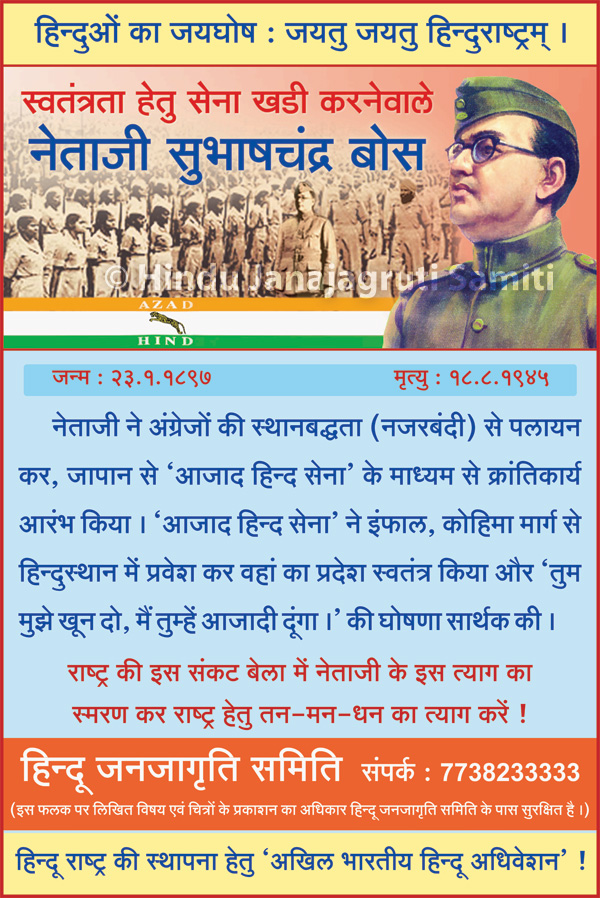
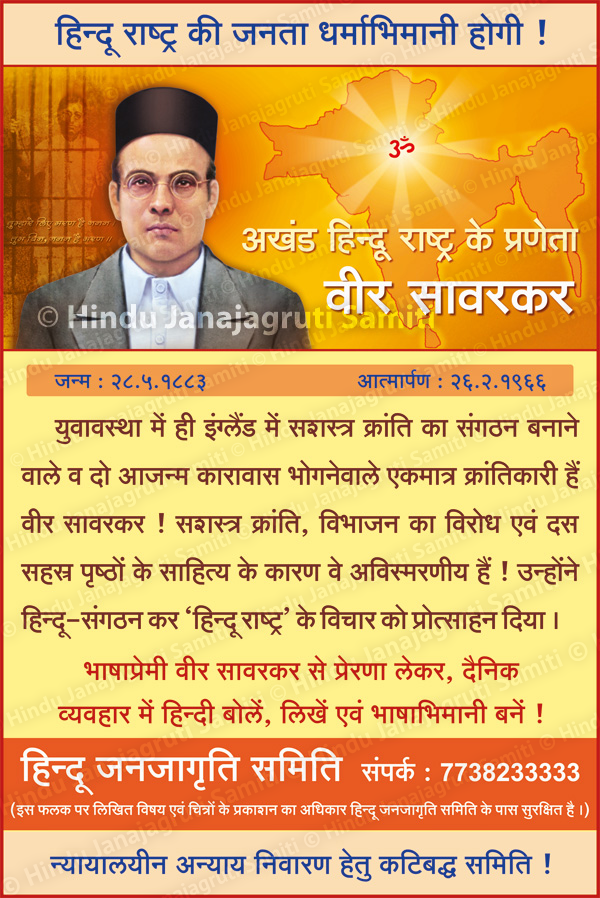
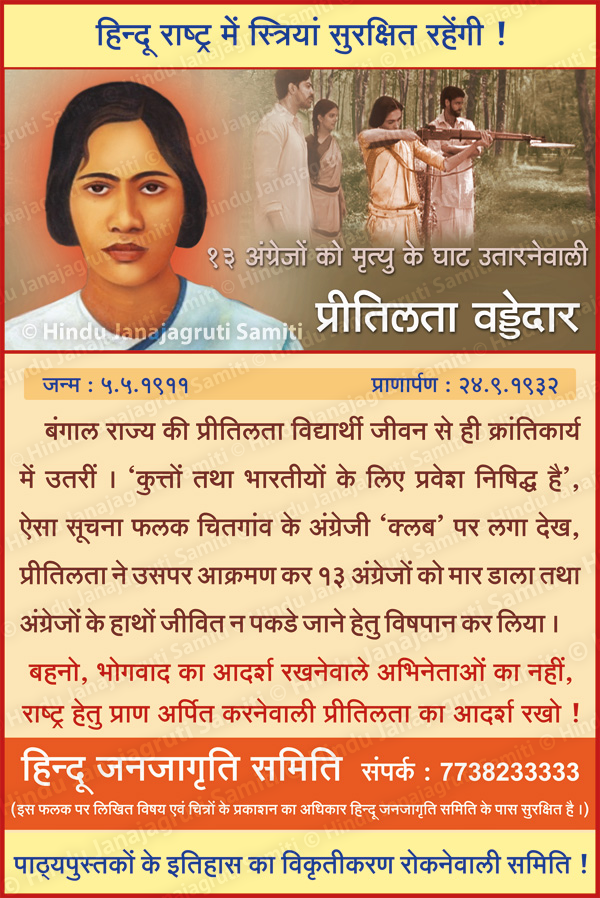
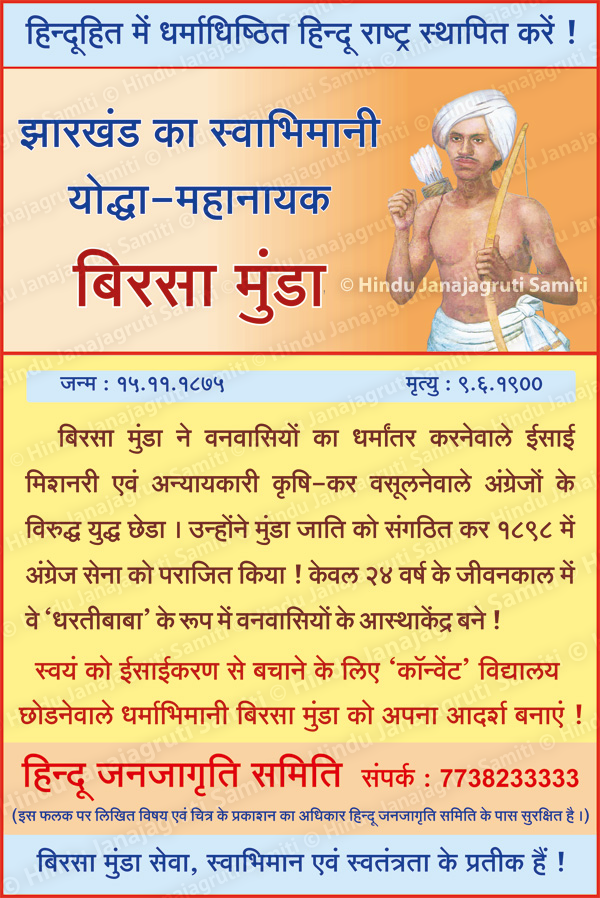
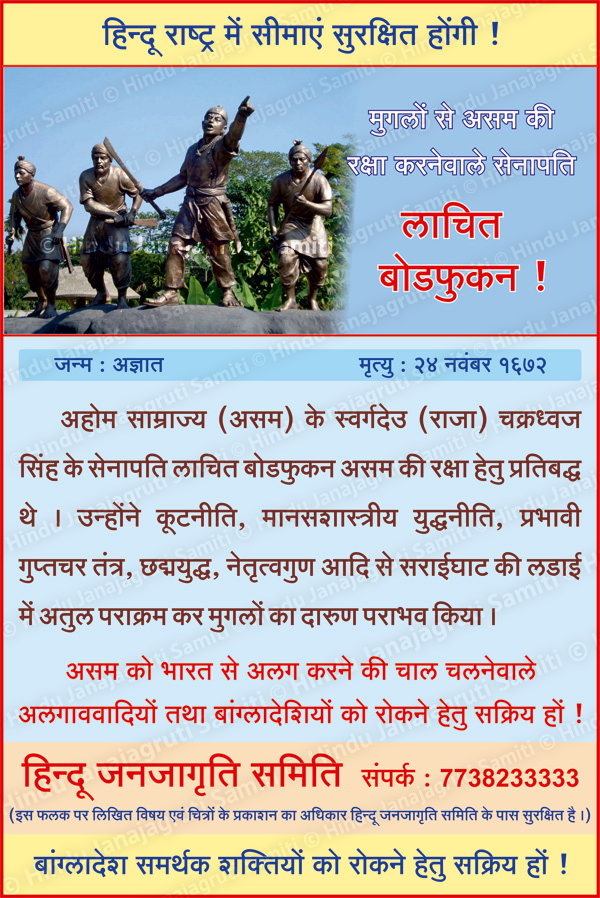
Help us obtain a venue and reach every Bharatiya with these inspirational stories of the unsung Heroes of Bharatiya Independence Movenment. HJS will supply the posters free of charge. Contact us –