

Menu Close

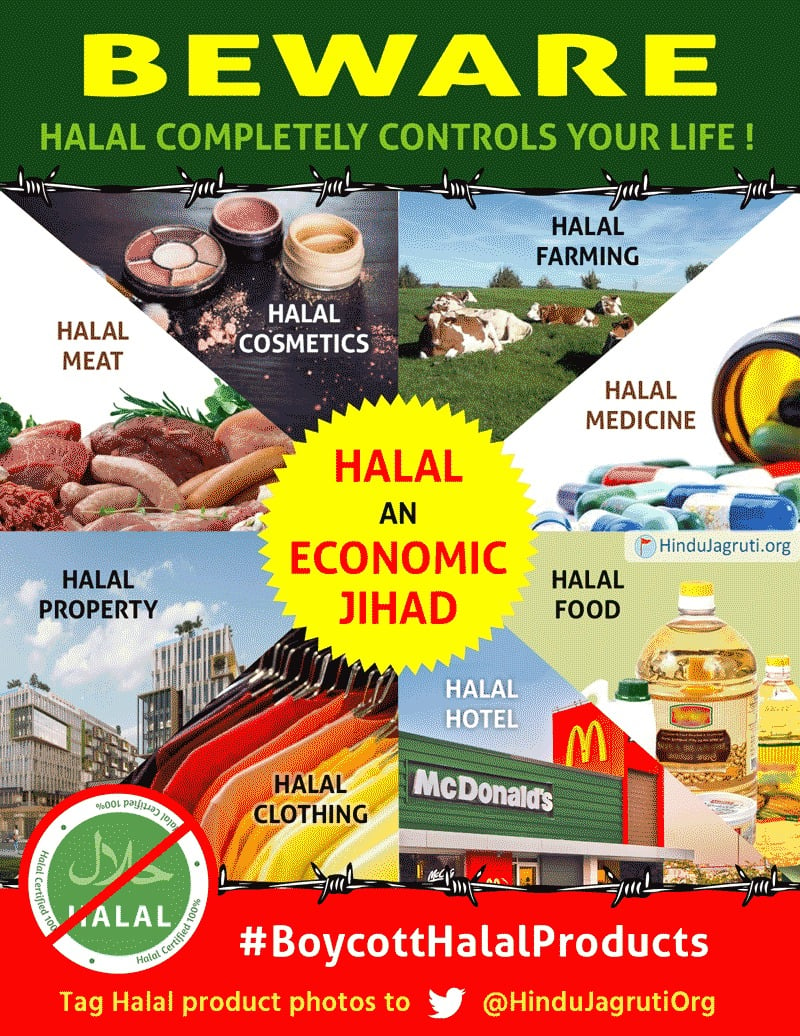
Cosmetics Par Halal Mark…

Medicines Par Halal Mark….

Clothes Par Halal Mark….

Hotel bhi Halal…

Property Bhi Halal…

Kya Farak Padta Hai ?

Jab Desh ki Suraksha ka sawal Ho to

Farak Padta Hai

stop Halal imposition

The Reality of Halal Certification

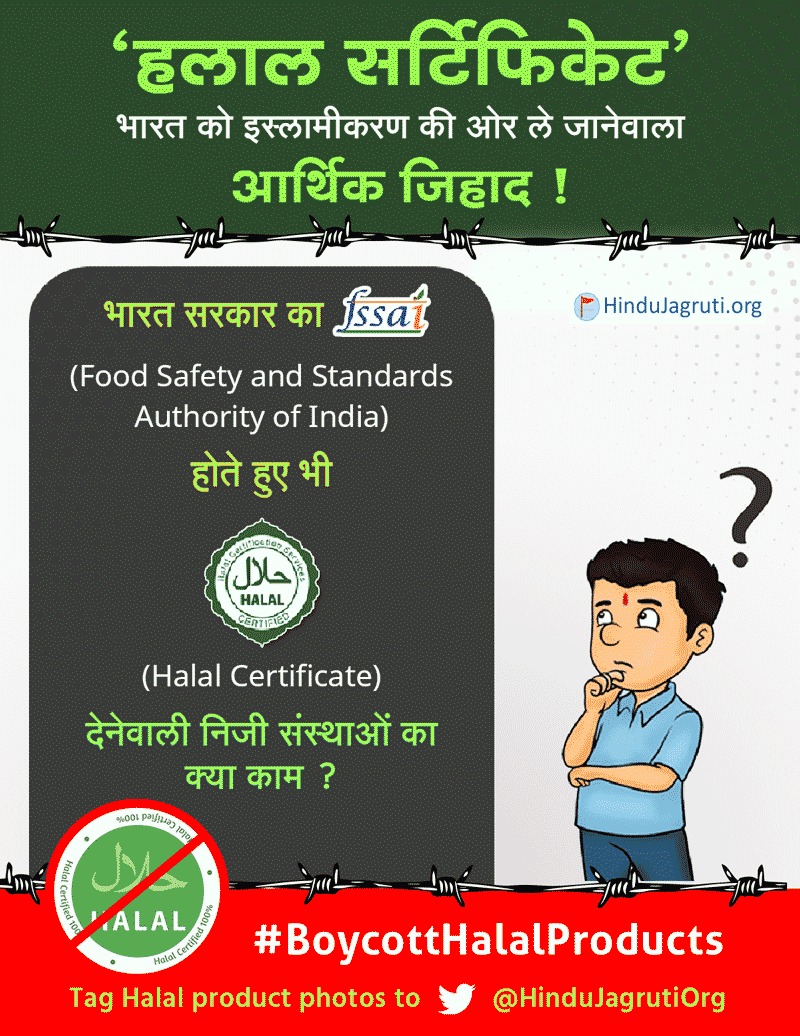
The gateway to Islamisation of India?

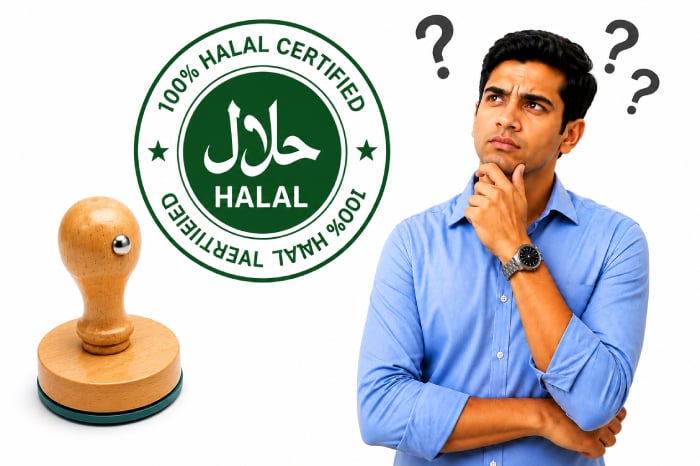
What are Halal Products?

Products that are permissible under Islamic law for use by Muslims.

What is Halal Certification?

A certification that declares products permissible under Islamic law for sale as halal.

Who Certifies?

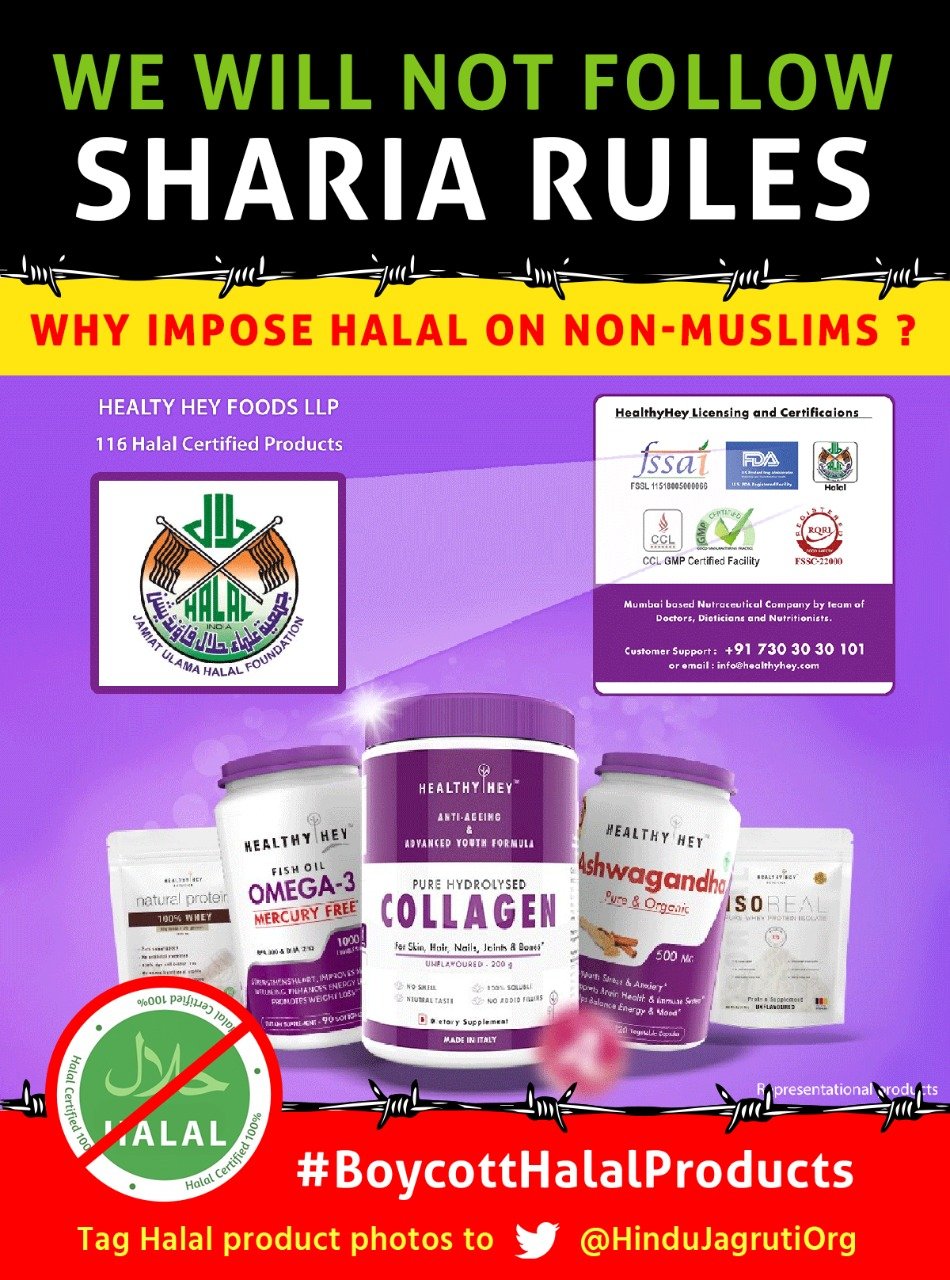
Multiple Islamic institutions issue halal certificates, notably Jamiat bodies like JuH.

A Threat to Indian Economy?

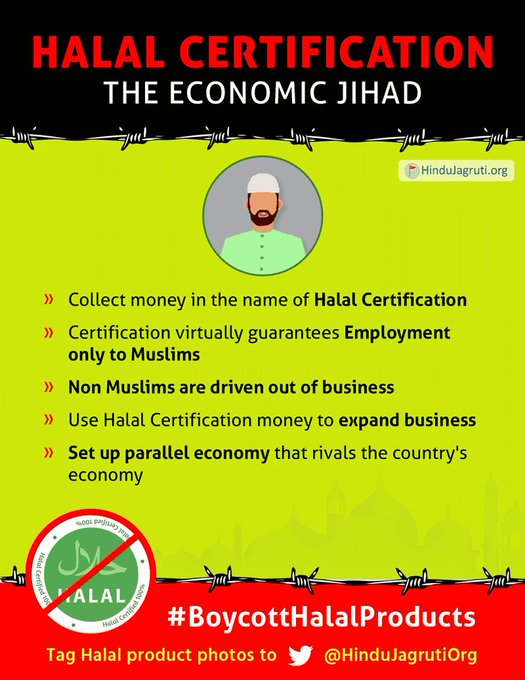
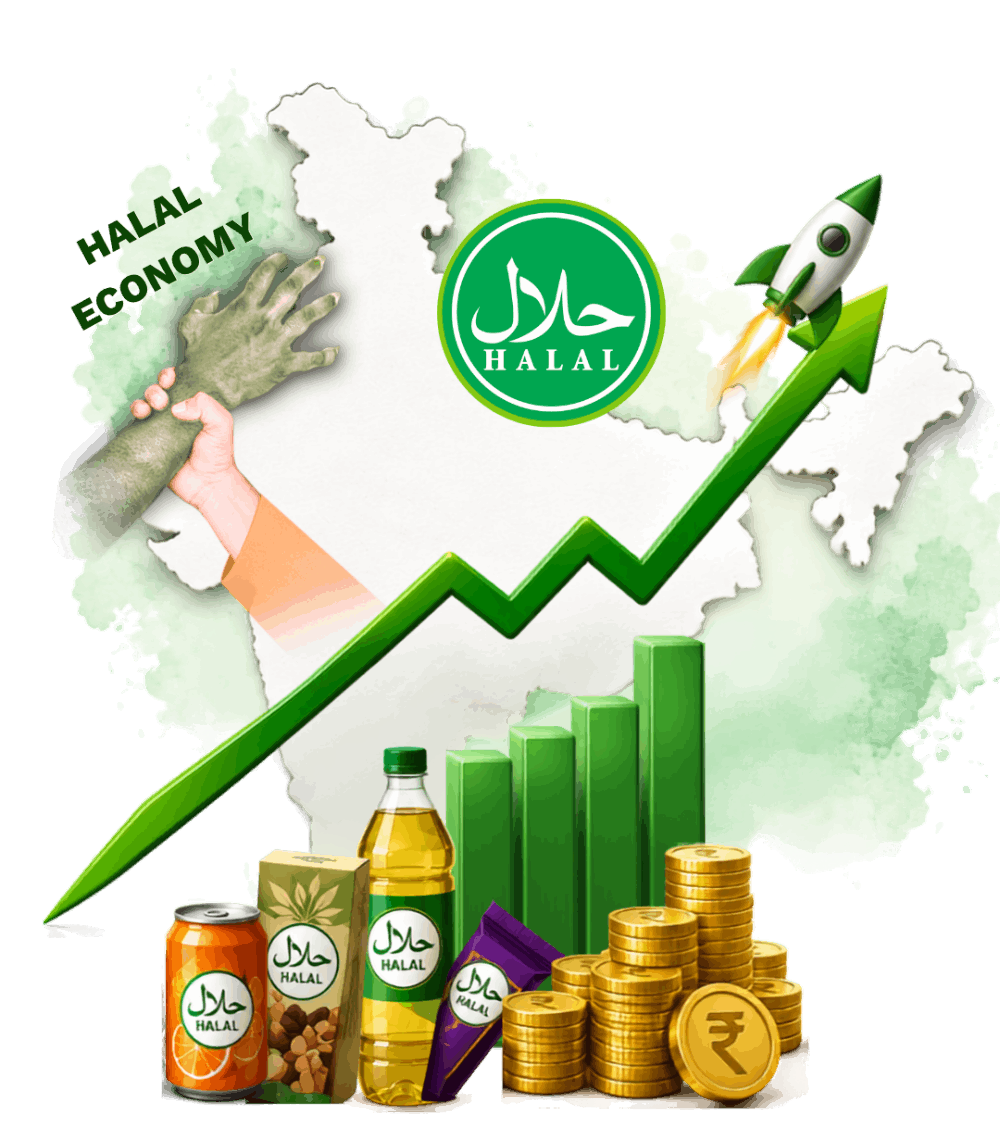
More than 50% of India’s GDP. A threat to the Indian economy, funded by your money.

How is the Money Used?

Jamiat has provided legal aid to accused in the 7/11 Mumbai and 2006 Malegaon blasts.

How Halal Impacts Non-Muslims?

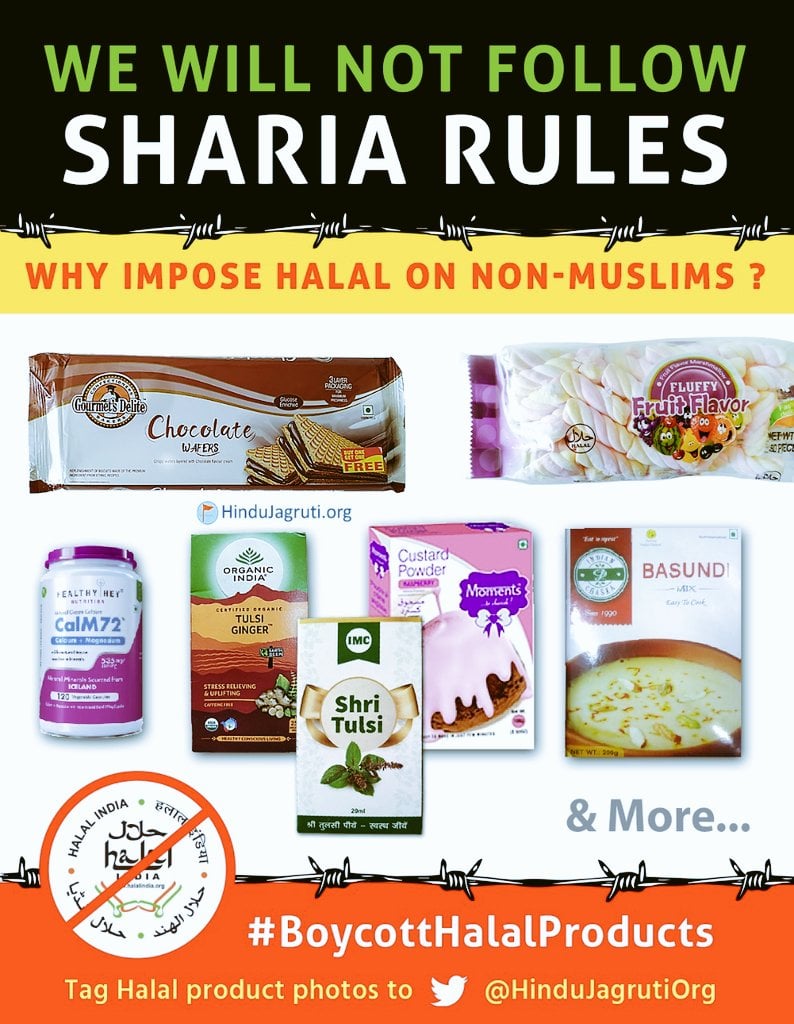
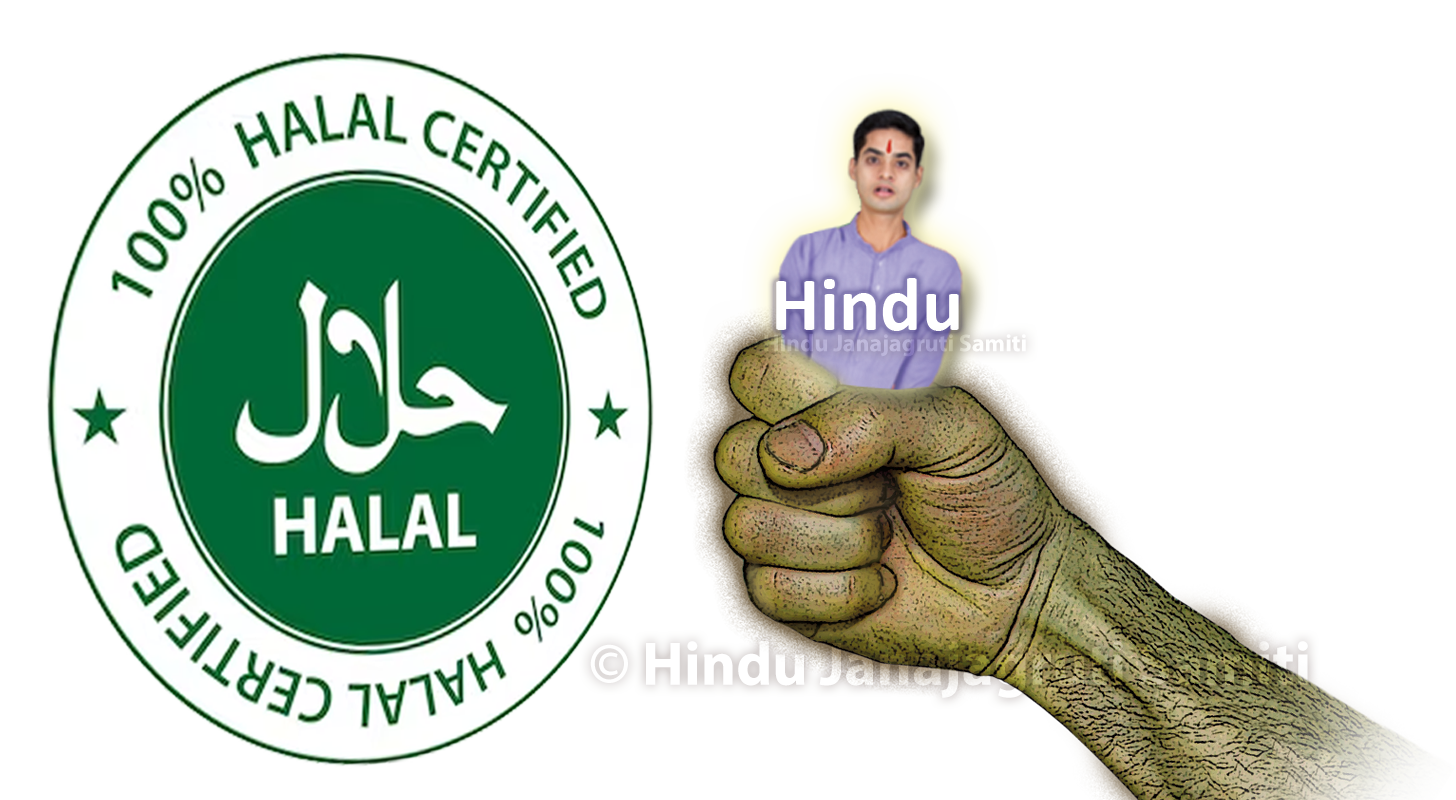
Halal-only policies restrict consumer choice and limit job opportunities for the non-Muslim majority.

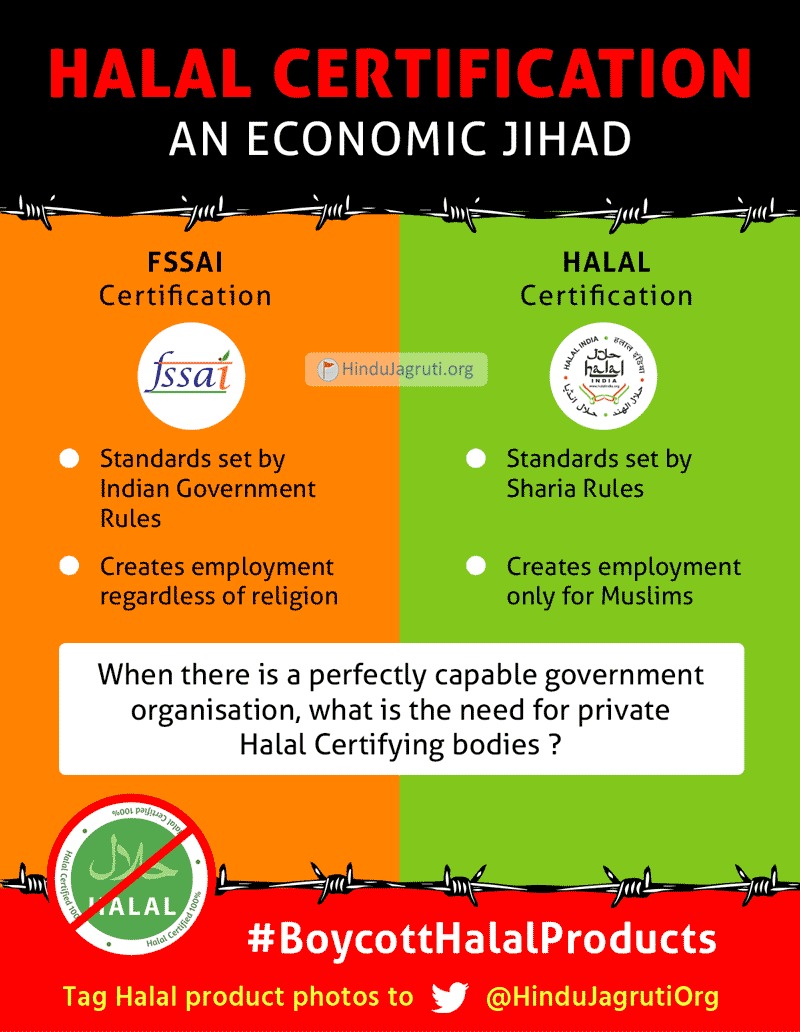
Why Private Religious Certification

When Govt Regulation
Through Already Exists?
Aapke ek signature se Farak Padta hai..

Wake up! Before it’s too late

Union Govt must immediately
ban Religion-based
‘Halal’ certification

Make Your Voice Count

(This button will work only on Mobile)
10,00,000

Goal

15,686

Signatures so far

With your signature

You can make a Difference

Wake up! Before it’s too late

Appke ek signature se Farak Padta hai..
Union Govt must Impose immediate ban on religion-based ‘Halal’ certification

But it begins with you

10,00,000

Goal

15,686

Signed Till Now

With your signature

You demand change

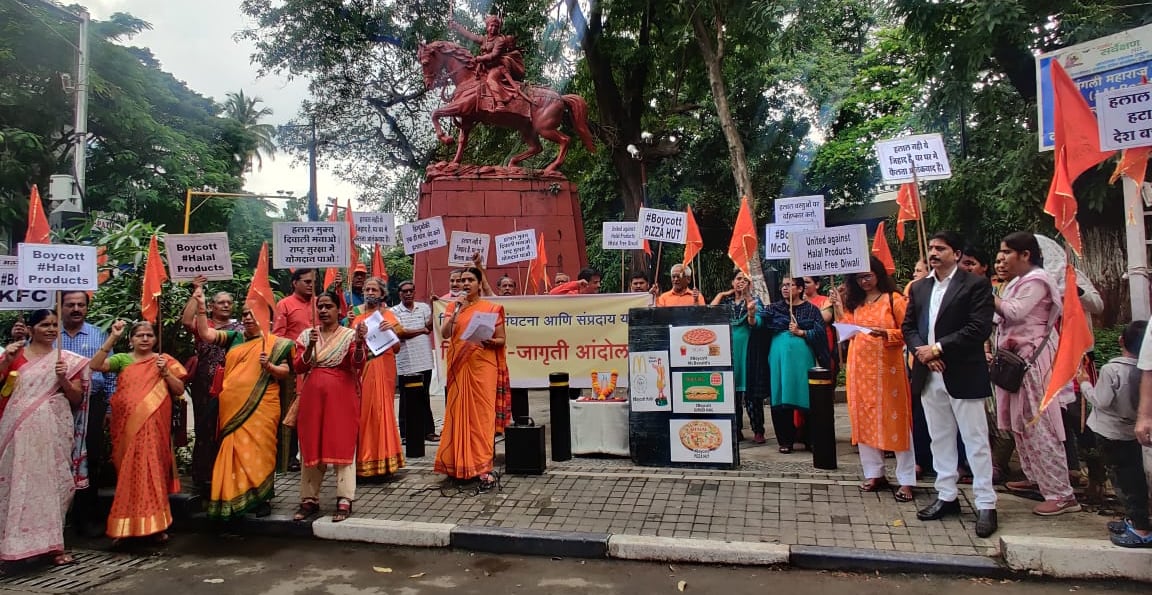
Efforts of Hindu Janajagruti Samiti

Raising awareness about Halal Economy
9+ Years

Of Dedicated Efforts

400+

Awareness Lectures
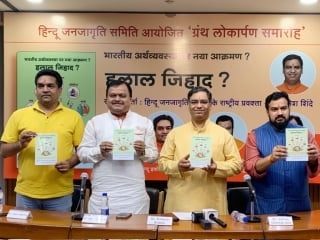
31K+

‘Halal Jihad?’ Books Sold

JOIN HJS

Be a part of the nationwide movement demanding truth and transparency.
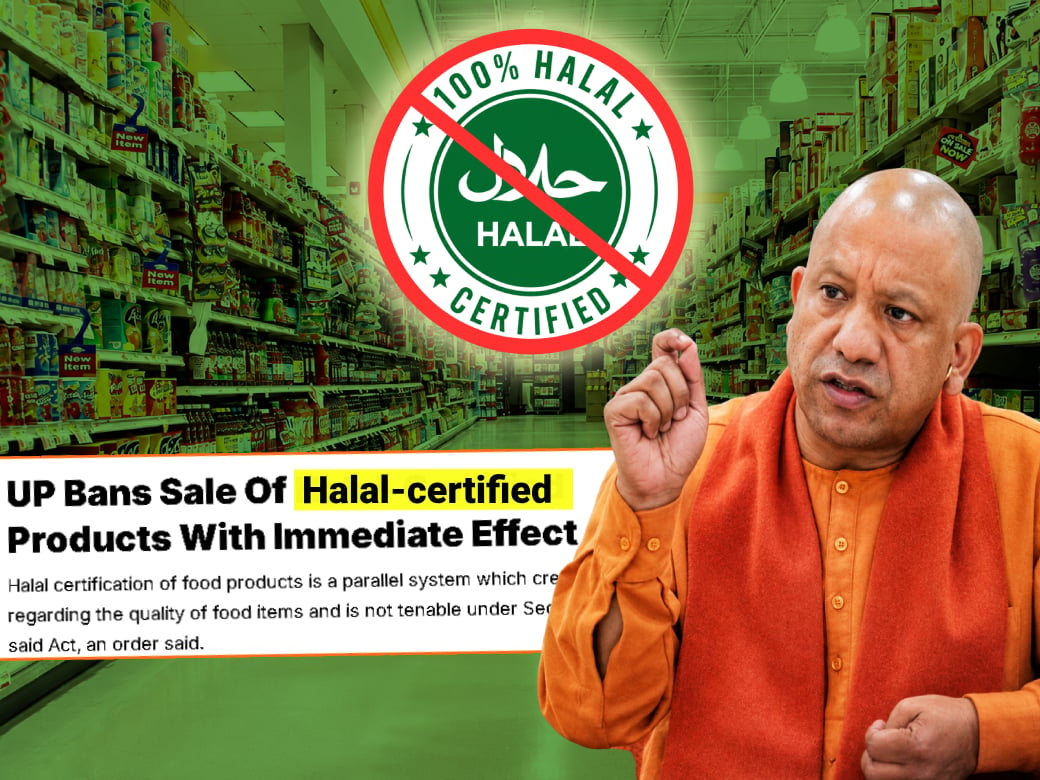
success in uttar pradesh

UP Govt has banned Halal-Certified products

Explore the impact of our efforts against Halal imposition.

Be An Active Guardian

Organise a Free Awareness Program

Invite our national speakers to conduct a free awareness session on the Dangers of the Halal Economy for your society, community, or group.

Program Request Form

Select your program preferences below and submit your details to schedule a session.

Request Received Successfully!

Thank you for taking the initiative to spread awareness about the Flag Code of India. Our campaign coordinator will contact you shortly to schedule the session.

You Can Make a Difference

Your Actions Matter

Equip Yourself With Knowledge

Understand the real depths of the Halal economy through our research-based books and expert video analysis.
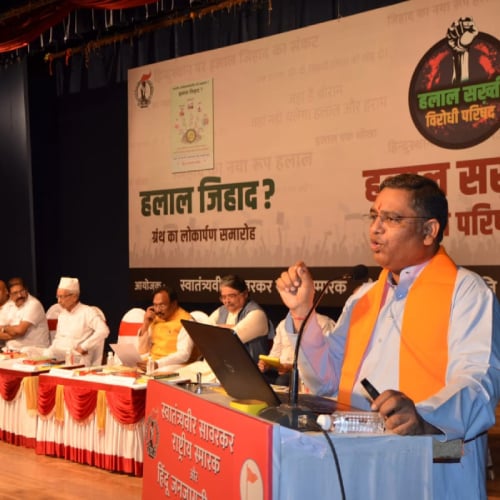
Ramesh Shinde

Expert Analyst, Speaker & Author

An engineer who has dedicated his life to serving the Hindu Dharma, Mr Shinde is the Hindu Janajagruti Samiti’s National Spokesperson. He is known for his in-depth knowledge of several issues pertaining to Dharma and national security. He is also the author of two best-sellers on Love Jihad and Halal Certification.

Featured Books

Hard cover edition

Halal Jihad ? (Attack on the Indian Economy)

31K+ | hardcopies sold
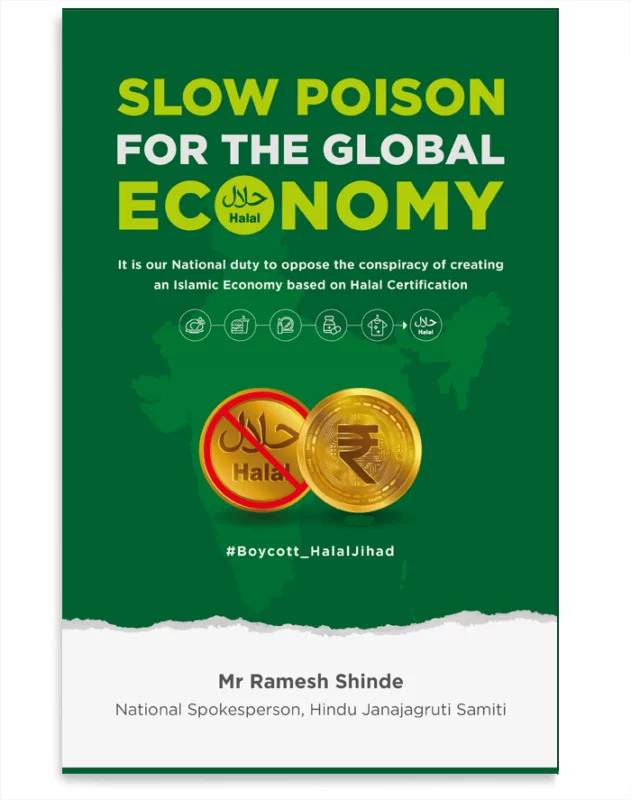
digital e-book

Slow Poison For The Global Economy (Kindle Edition)

Video Analysis

The Shocking Truth!! of The Billion-Dollar Halal Economy

Ramesh Shinde

Knowing Halal Economy, It’s Not Just Meat | Ramesh Shinde Warns Hindus

Ramesh Shinde

Halal, Secularism & Constitutional Questions with Ramesh Shinde

Ramesh Shinde

Interview With Ramesh Shinde On Illegal Imposition Of Halal In India

Ramesh Shinde

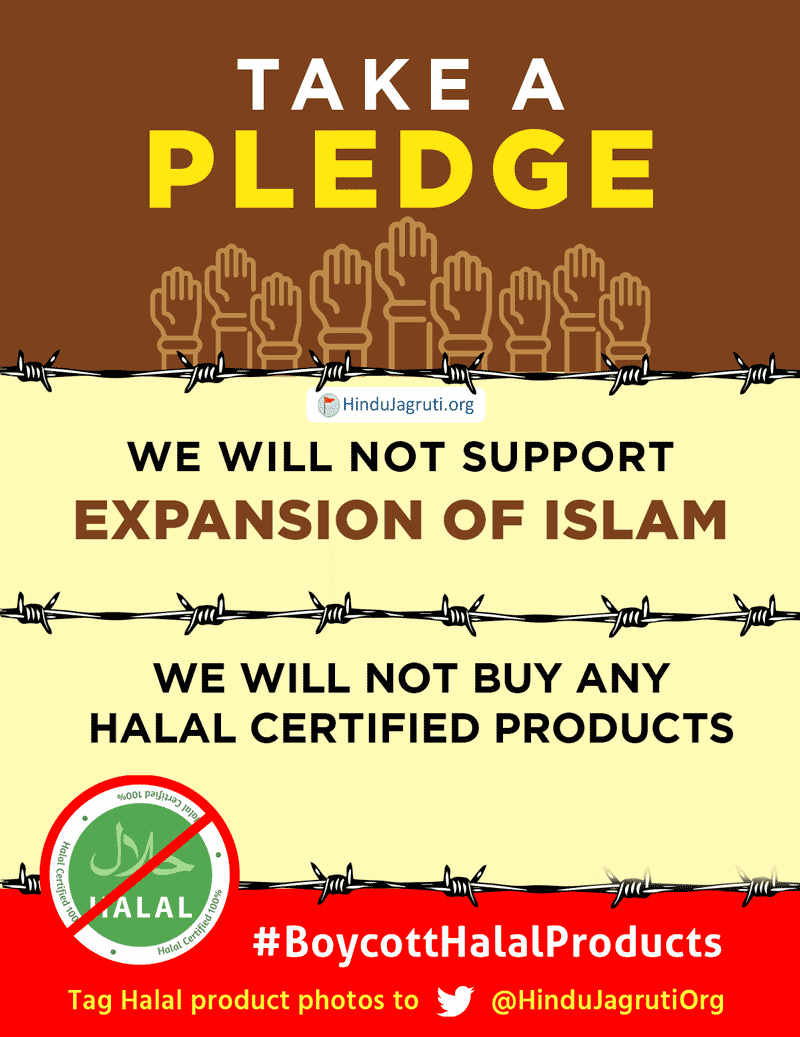
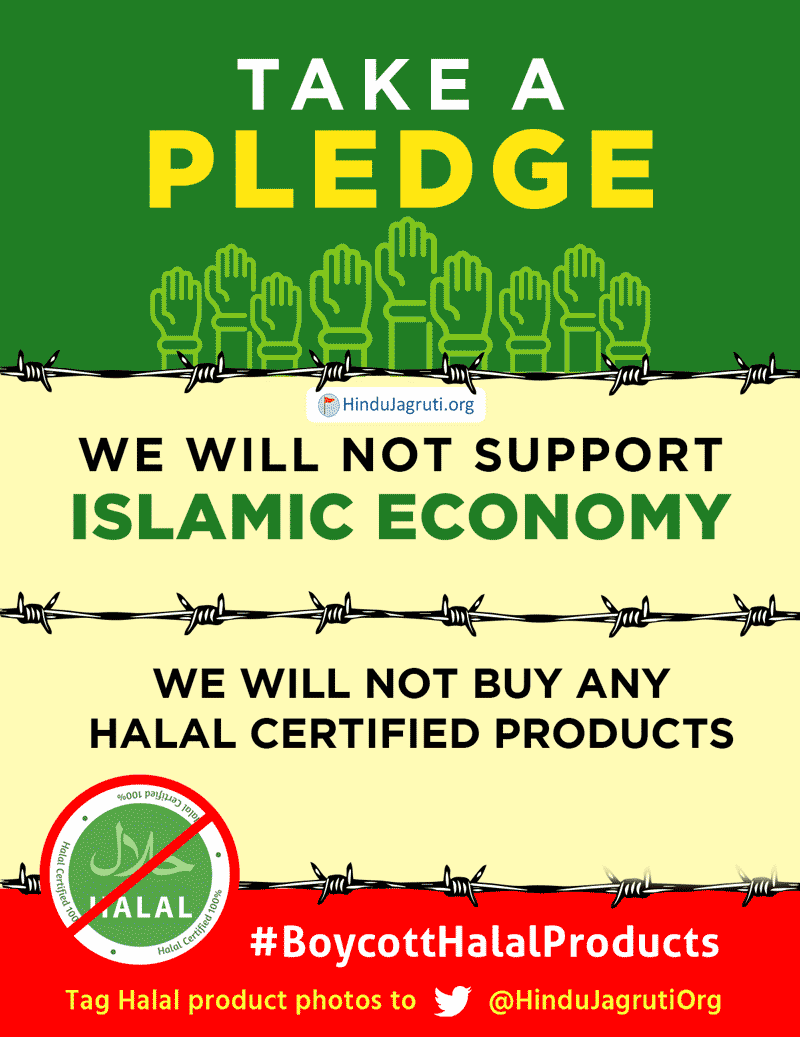
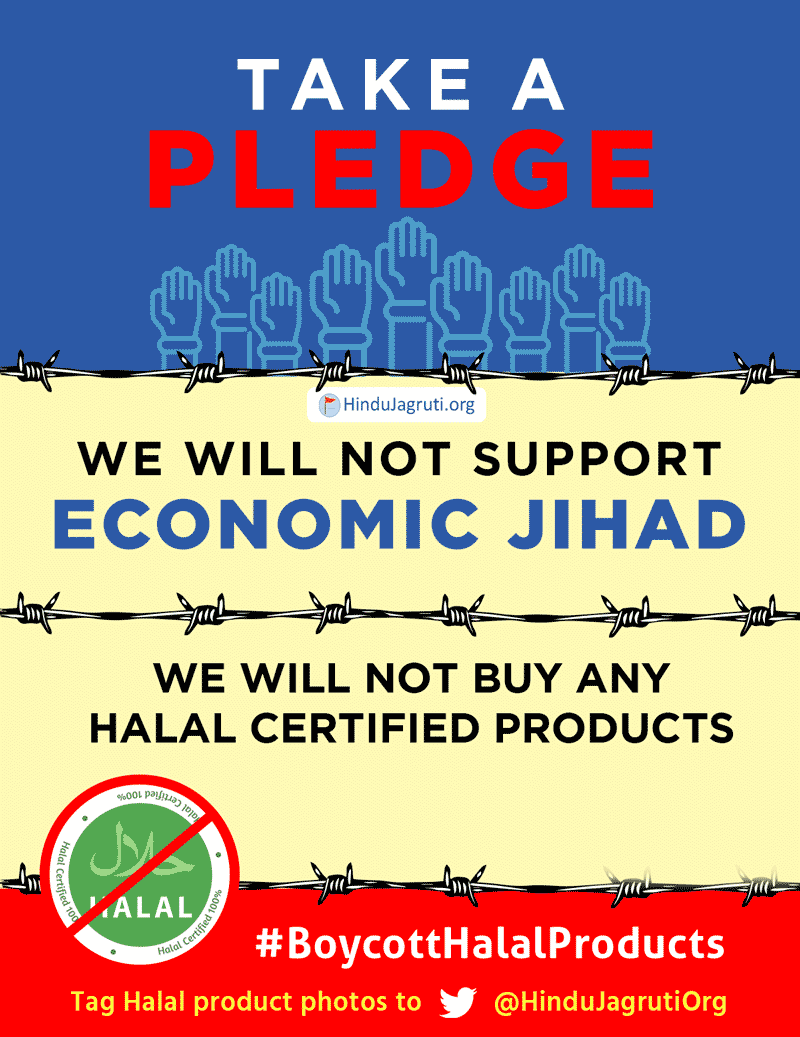
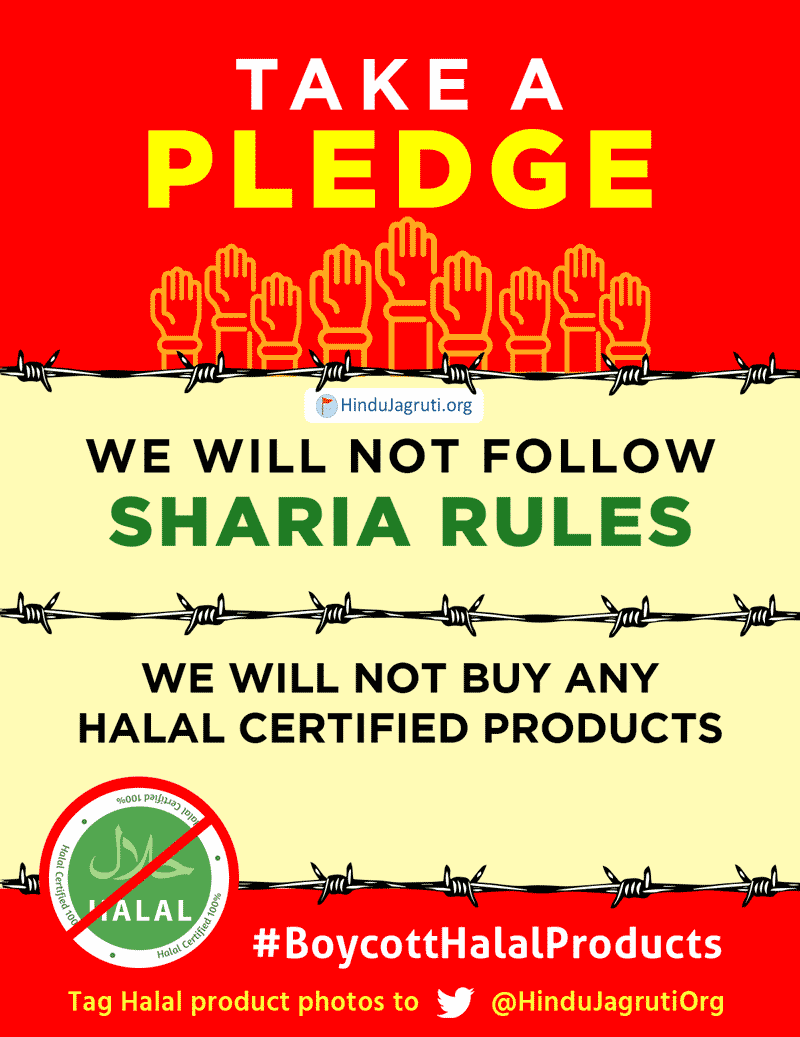
Halal Economy Awareness Posters

Download All (Zip)

Frequently Asked Questions

Understand the key facts, perspectives, and practical information regarding halal certification and the halal economy.
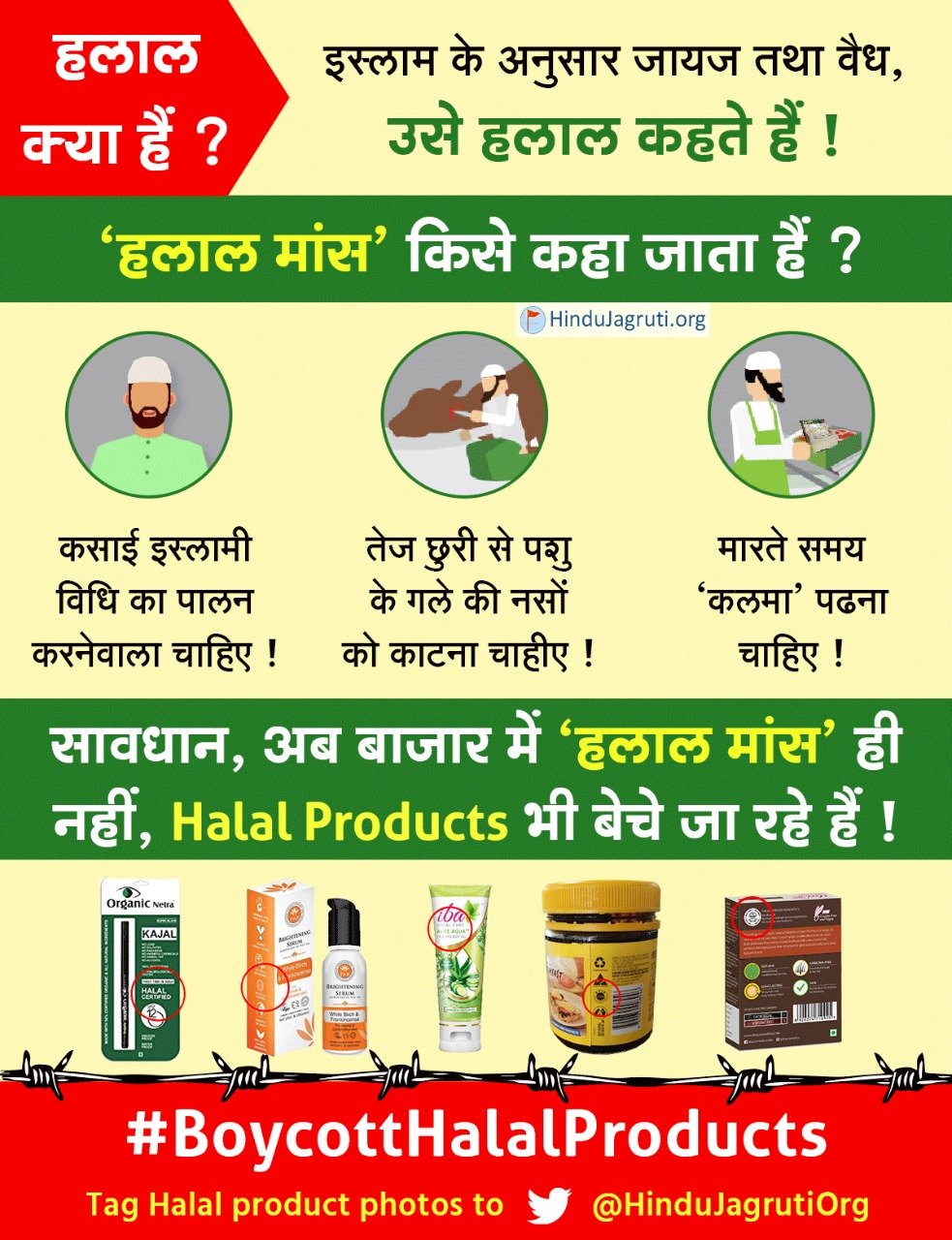
Halal is an Arabic term meaning “permissible” or “lawful” under Islamic law. Its opposite is haram, meaning “forbidden.” Halal refers to anything that is permissible under Islamic law, while anything that does not conform to those requirements is considered haram.

The presence of even a single non-halal element in the processing or preparation of a halal product can render the final product haram (unfit for consumption by Muslims). These principles form the basis of the halal economy.

Halal certification is a process through which a product, service, or process is assessed against specified Islamic requirements and certified as halal (permissible under Islamic law). Halal certification is not limited to food; it can apply to ingredients, medicines, cosmetics, manufacturing, hospitality, and other products..

Companies seeking halal certification need to undergo an assessment by a halal-certifying body and pay certification fees. The requirements and certification processes can vary depending on the certifying body, product, market, and country.

For businesses exporting products to markets where halal certification is required or commercially expected, certification can form part of the export process. In India, halal certification is provided by private religious certifying bodies.

The halal certification process generally begins with an application to a halal-certifying religious body, followed by a review of the product, ingredients, processes and facilities by the certifying body to assess whether the product or service meets the specified halal requirements.

Depending on the type of product or service, the assessment may examine:

  • Ingredients and raw materials: Whether they contain any substances prohibited under Islamic law.
  • Animal-derived ingredients: Whether animals or animal-derived materials meet the applicable halal requirements, including requirements concerning slaughter.
  • Processing and preparation: Whether the product is prepared, processed or manufactured using equipment and methods that meet the halal requirements.
  • Storage and handling: Whether halal products are kept separate from prohibited or ‘haram’ substances during preparation, processing, transportation and storage.
  • Facilities and operations: Whether relevant areas, equipment and procedures comply with the halal requirements.
    If the requirements are satisfied, the certifying body issues a halal certificate for the specified product, service, facility or process. 

Periodic or surprise inspections may also be conducted, depending on the certifying body’s rules, to verify continued compliance.

In India, halal certificates are issued by multiple private religious certifying bodies. Prominent organisations include Jamiat bodies, notably Jamiat-Ulama-e-Hind Halal Trust and Jamiat-Ulama-e-Maharashtra. Sharia committees or religious scholars may also be involved in determining whether products and services meet the applicable halal requirements and whether a halal certificate should be issued.

Halal certification is a private certification process based on religious requirements, separate from government food-safety and regulatory certification.  

Halal certification fees are paid to private religious certifying bodies for their certification services. These organisations operate within their respective religious and organisational frameworks, and the fees they collect are used for the welfare of only one religious community.

Jamiat-Ulama-e-Hind (JUH), one of the prominent organisations associated with halal certification in India, also operates a Legal Cell that has in the past provided legal assistance to accused in terror cases across India. With halal-certification fees becoming part of the financial resources of certifying organisations, the lack of transparency about how these funds are allocated raises a legitimate question about these funds being used to support such activities. 

Halal certification is not required by Indian law for sale of products. It is a private certification based on Islamic requirements and is sought by businesses to demonstrate halal compliance to Muslim consumers. Businesses may also seek halal certification to access international markets where halal certification is required or expected as a condition of trade. 

Halal certification is not required by Indian law for the sale of any product within India. However, halal certification is mandatory for specified meat and meat products exported to certain notified countries under India’s I-CAS–Halal framework. 

Halal certification can apply to a wide range of products and services, not just food. Depending on the certifying body and applicable requirements, common categories include:

  • Food and beverages
  • Meat and meat products
  • Ingredients and food additives
  • Medicines and pharmaceuticals
  • Cosmetics and personal-care products
  • Nutraceuticals and health products
  • Hotels, restaurants and catering services
  • Manufacturing and processing facilities
  • Logistics, storage and transportation services

Halal certification for products sold within India is not regulated by a central government halal-certification authority. It is carried out by private halal-certifying organisations, which assess products and services according to their own specified halal requirements.

For specified meat and meat products exported to certain countries, the Government of India has established the India Conformity Assessment Scheme (I-CAS)–Halal. Under this framework, the Quality Council of India (QCI) establishes the scheme, NABCB accredits halal certification bodies, and APEDA monitors the export of covered halal products.

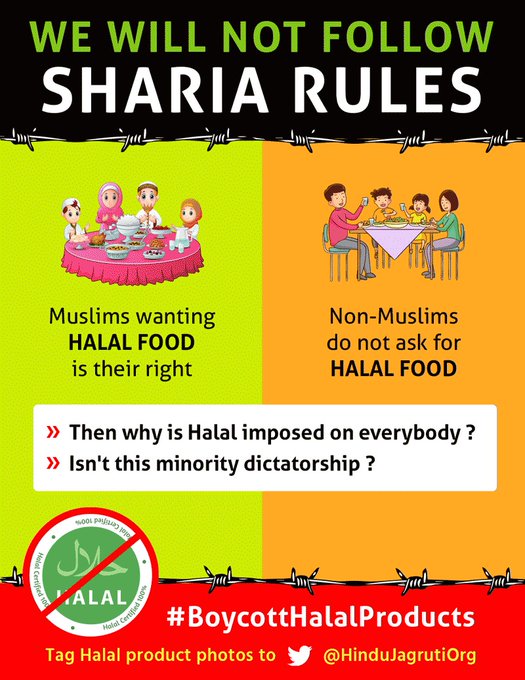
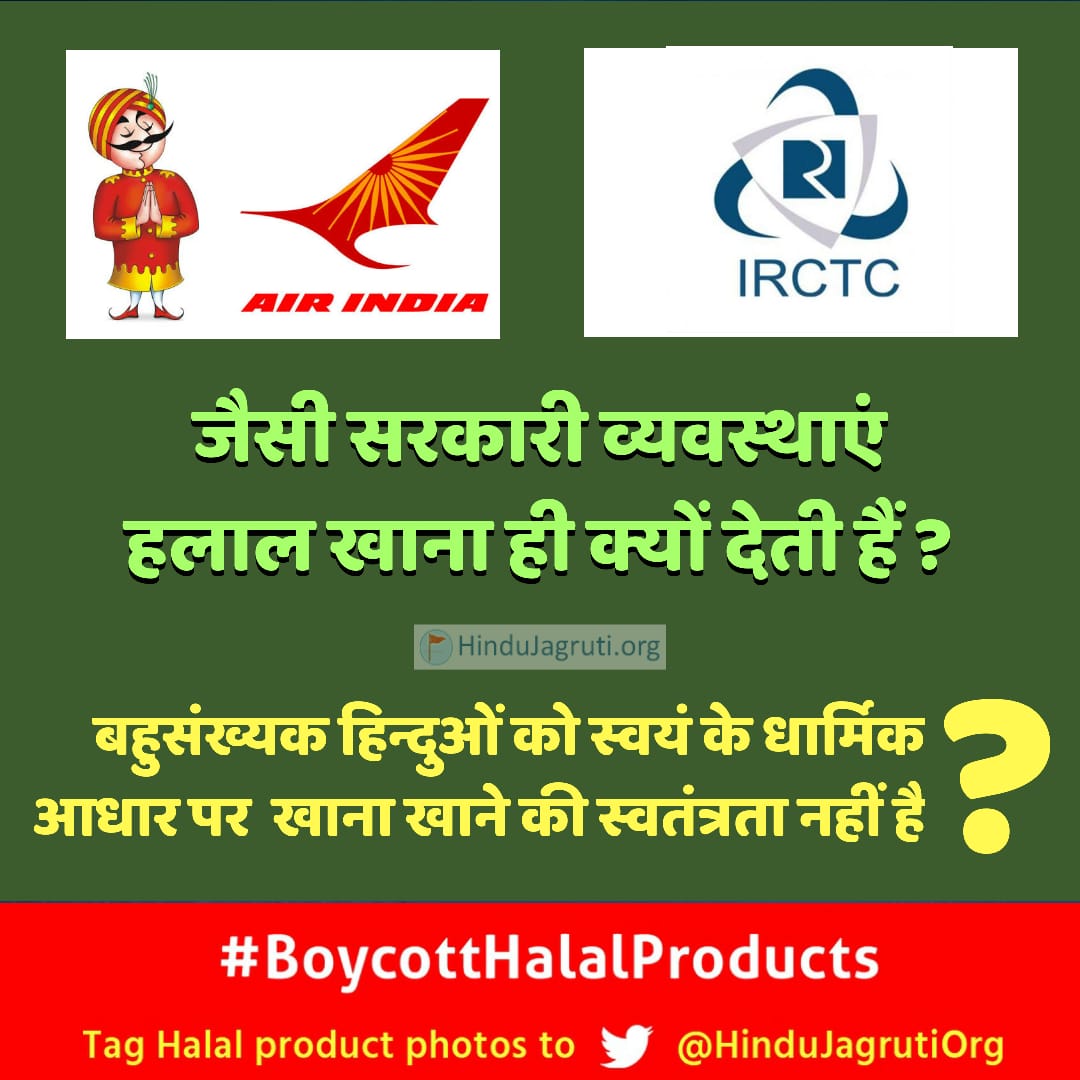
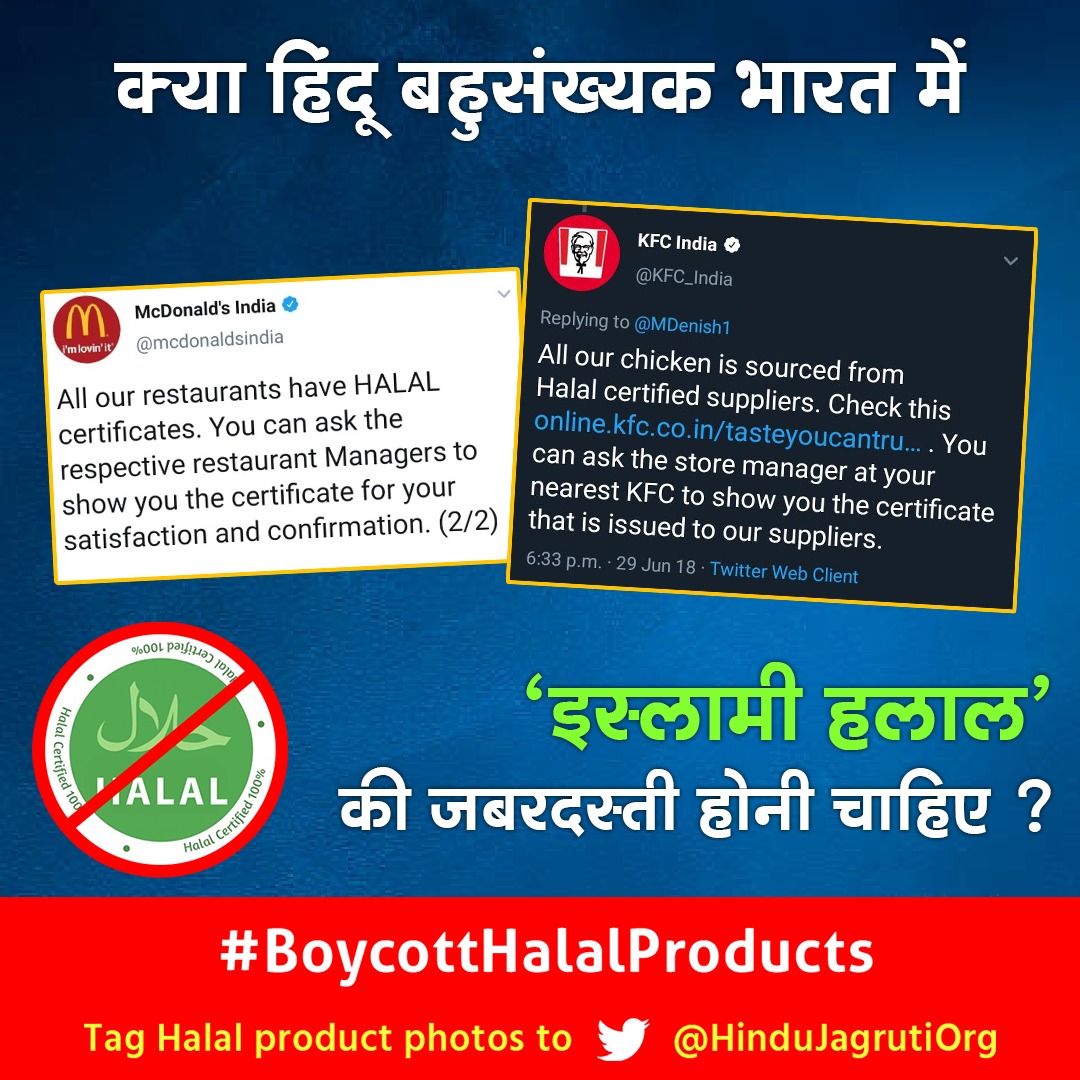
Halal-only sourcing denies non-Muslim consumers the choice of non-Halal meat and restricts employment and business opportunities for non-Muslim butchers and suppliers.

For non-Muslim consumers who follow specific traditions, such as consuming Jhatka meat, a Halal-only policy at restaurants and food chains leaves them with no compliant meat option. When businesses adopt a single Halal supply chain, the religious requirement of one consumer group effectively becomes the default for all customers.

This impact extends beyond consumers. Non-Muslim butchers, traditional suppliers and processing businesses that do not follow Halal requirements can be shut out of supply chains that mandate Halal sourcing, limiting their market access and economic opportunities. 

The global Halal economy is a multi-trillion-dollar economic ecosystem spanning food, pharmaceuticals, cosmetics, fashion, travel, media, and finance, estimated at more than US$2.50 trillion worldwide.

At US$2.50 trillion, this global consumer economy is equivalent to more than half of India’s GDP. For India, the economic concern is not merely the size of this global market, but the emergence of a parallel economic ecosystem driven by private certification, sourcing and supply-chain structures operating alongside statutory government frameworks such as FSSAI. 

These parallel certification and sourcing systems can impose recurring certification costs, alter competitive conditions, determine which suppliers can participate in particular commercial supply chains, and influence how businesses serve different consumer groups.

Furthermore, where businesses adopt Halal-only sourcing, butchers, suppliers, and traditional processing businesses whose practices do not meet Halal requirements may face restricted access to those supply chains, affecting their market access and commercial opportunities.

Leave a Reply

Your email address will not be published. Required fields are marked *