 Even for scandal-savvy Pakistan, the macabre drama surrounding the Axact scandal is turning out to be too hot to handle.
Axact, ostensibly a Pakistani IT company with a global reach, had entered the market with a slogan to give its compatriots, from Silicon Valley to Bangalore, a run for their money. Its rise to the top was said to be meteoric, with its 40-year-old CEO, Shoaib Sheikh, boasting from public pulpits that his company was raking in more than a billion dollars a year—an incredible sum for a novice company even in the profligate IT market. He also dreamed of becoming the world’s richest man, overtaking Bill Gates.
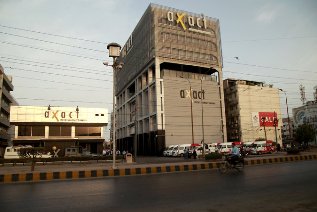
However, a front-page story in The New York Times last week hit Axact and Pakistan like a ton of bricks. It said IT was just a fig-leaf for the company whose real business was a roaring trade in fake college degrees sold to umpteen takers and buyers for a price. The NYT exposé claimed Axact was operating, from its plush head office building in an upscale part of Karachi—Pakistan’s commercial and industrial hub—a global network of forged college degrees flaunted as products of more than a dozen ersatz American universities.
The hoax, the story said, was spun and micro-managed with a remarkable regard to minutiae and details. The Internet filled in the requirements for taking hungry college-degree-seekers-on-the-lam to an incredible flight of fancy.
Names of famous US universities were doctored with finesse to conjure up impressive facades of educational institutions that existed only on paper. For instance, a Columbiana (rhyming with the world-famous Columbia University of NY) University was flaunted on the Internet. Paid actors posed on the screen as professors and educationists promising the moon to those lining up for fake college degrees.
The hoax was completed with ostensible certification of these paper universities by the US state department. Even signatures of Hillary Clinton and the incumbent secretary of state John Kerry were forged to make degrees and certificates look authentic and genuine beyond suspicion. It was a con job par excellence. The ruse to rope in potential buyers couldn’t be more watertight.
When the NYT story hit the headlines it was taken in Pakistan with a pinch of salt. Scepticism about the impartiality of the report was anchored in its author, Declan Walsh, kicked out from Pakistan last year at the behest of intelligence agencies accusing him of conduct unbecoming of a foreign reporter; in other words, of anti-Pakistan activities—a one-fix-for-all charge applied to any suspected “rogue” with impunity. Jaded pundits weighed in with seemingly plausible spins that the reporter could be seeking vengeance.
But, the government was forced to get its foot into the door by Pakistan’s scandal-prone tele-media that could instantly sniff a huge cloak-and-dagger miasma into the revelation about Axact. Media interest in Axact was riveted largely on the plans to shelter under its wings a new TV channel, BOL (“Speak”) flaunted as a giant media outlet to dwarf all others. Professional jealously fuelled the fire.
The news media had been on the tail of Axact for some time because of its grandiloquent flaunting of a corporate culture rarely seen before in Pakistan. It offered its white-collar managers and executives perks that could easily put any global corporation to shame. Not to mention salary purses running into millions of rupees per annum, the benefits included posh villas with swimming pools, luxury cars and an office cafeteria that served 5-star meals. It was too grand to be true for a Pakistan still reeling under economic ill winds. Alarm bells should’ve rung in the corridors of power in Islamabad long before the NYT story unearthed one of the century’s most remarkable crimes perpetrated under the noses of everybody in the government.
But once the sleuths of the Intelligence Bureau and the Federal Investigation Authority swooped down on the head offices of Axact, all hell broke loose. The agencies unearthed, from the bowels of the company’s elegant, steel-and-glass, office building hundreds of thousands of fake degrees in the name of dozens of on-paper-only colleges and universities—all of them ostensibly of US provenance. The treasure trove also included embossing machines and all other ancillary material required to make these degrees look authentic and genuine.
An equally elaborate trail of banking operations—running from Pakistan to Dubai to the UK and the US—has also been unmasked. Agencies have so far found at least half a dozen accounts in the names of Axact and its principal officers operated from Dubai and the UK; for details of US-based bank accounts, the government has invoked assistance of the FBI and has been promised fullest co-operation. The Americans should be eager to help because forgeries have compromised the reputation of the state department and its bosses. Dubai, according to ongoing investigations into Axact’s con jobs, was a pivotal point in its global operations. Monies collected from around the world were streamed into Dubai bank accounts and funnelled to Pakistan and elsewhere from that safe haven.
Dubai’s prime importance as an El Dorado for Pakistan’s con artistes and black money wolves was in the news recently in another context, too. According to data released by the Dubai land department, Pakistani nationals bought real estate worth $379 million in just the first three months of this year; they were second only to their Indian neighbours. In the two previous years—2013 and 2014—Pakistanis invested a whopping $4.3 billion in Dubai’s booming real estate. Once again, they only trailed the Indians.
However, a comparison with India is only of academic interest to those in Pakistan worried about the alarming flight of capital from the country. India is a much bigger economy, has much larger resources and has a population six times that of Pakistan. On per capita basis, Pakistanis outrank Indians in Dubai’s flourishing real estate market.
What worries Pakistani watchers is the filthy lust of their capitalists to whiten their black and ill-gotten wealth by investing it in Dubai’s real estate and not inside Pakistan itself. Pundits rue these money sharks have no regard for their own country and seek to sabotage Nawaz Sharif’s herculean effort to turn Pakistan’s moribund economy around.
Axact’s unfolding story of unbridled greed for pelf and power has a moral not only for Pakistan but also for any other country befitting its paradigm: ambition to become rich and powerful overnight is a disease without a cure as yet. It can blind individuals and nations alike and lead them down the path of self-destruction.
But in the blind rush to judgment, no one is talking about the unprincipled buyers of fake degrees. Aren’t they as culpable as the sellers? After all, they crashed into the job market on forgeries, taking jobs away from genuine degree holders. There’s a cry for justice here, too.
Source : TNIE