Sakal Hindu Samaj urges authorities to protect ancient inscriptions and follow scientific guidelines to preserve our cultural heritage
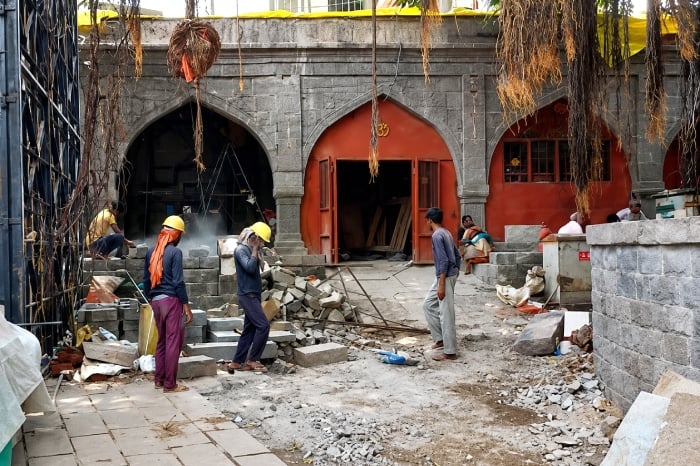
Kolhapur, Maharashtra – The temple of Karveer Nivasini Shri Mahalaxmi Devi is an extremely important place of worship and an architectural heritage monument not just in Maharashtra, but in the entire Indian cultural tradition. The inscriptions, carved stone panels, architectural remains, and structural features found throughout the temple are of exceptional importance, not only from a religious point of view but also from the perspectives of history, archaeology, epigraphy, and art history.
In light of this, a memorandum was submitted to the Resident Deputy Collector, Gajanan Gurav, on behalf of the Sakal Hindu Samaj, demanding that international heritage conservation principles, Indian archaeological standards, and scientific conservation methods be strictly followed during the preservation and conservation of this temple.
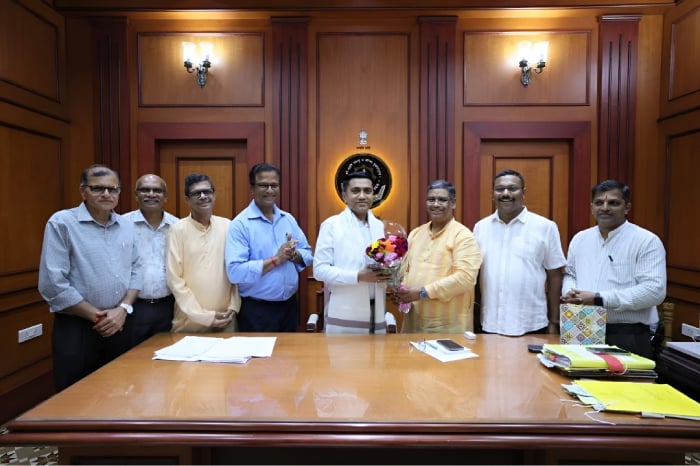
Present on this occasion were the City President of ‘Hindu Ekta Andolan’ Shri. Gajanan Todkar, Shiv Sena Deputy District Chief Shri. Uday Bhosale, Hindu Janajagruti Samiti’s Shri. Shivanand Swami, founder of ‘Maharaja Pratishthan’ Shri. Niranjan Shinde, ‘Namo Namo’ District President Shri. Vikram Jarag, ‘Maratha Tituka Melvava’s Shri. Yogesh Kerkar, Hindu Mahasabha District President Shri. Rajendra Toraskar, Shri. Abhijit Patil, and others.
Concerns raised regarding the ongoing preservation and conservation work at Shri Mahalaxmi Devi Temple
- Lack of protection for inscriptions: Adequate temporary security measures, protective coverings, or scientific registration processes required to protect historically and epigraphically important inscriptions in the temple premises do not appear to have been sufficiently implemented.
- Demand for transparency: If such inscriptions or original architectural elements are damaged during the conservation work, it would be extremely serious from a cultural heritage perspective. Therefore, information regarding the technical plan, the conservation principles being followed, and the expert committee guiding this preservation project should be made public.
- Access to Project Details: A detailed project report regarding the temple’s preservation and conservation, the technical plan, the conservation methods and materials being used, as well as the expected appearance post-conservation, should be made available to devotees, researchers, heritage conservators, and ordinary citizens.
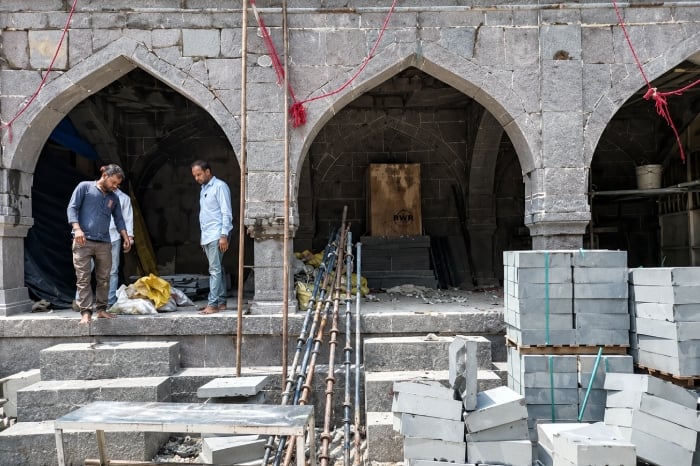
- Negligence at Garud Mandap: Due to a lack of proper care during the conservation of the ‘Garud Mandap’ located in front of the temple, its original structure was uprooted, and that work had to be redone. The original stone of the Garud Mandap was dislodged. Furthermore, while carrying out work in the temple premises, there is a strong possibility of unearthing several ancient shrines and sculptural remains. Proper care must be taken to protect them as well.