Mumbai – 7th November 2025 will mark the completion of 150 years of our National Song, ‘Vande Mataram’. To mark its 150th anniversary and to celebrate the spirit of Vande Mataram, a series of events, including mass renditions, elocution competitions, seminars, essay competitions, and exhibitions will be held across the nation throughout the coming year.
The Union Ministry of Culture has circulated a detailed plan of these celebrations to all States and Union Territories. From 7th November 2025 to 7th November 2026, the anniversary of Vande Mataram will be celebrated across Bharat.
In Maharashtra, a committee will be formed in each district under the chairmanship of the District Collector to coordinate the year-long events. The initiative will be implemented in four phases. On 7th November 2025, a nationwide mass rendition of ‘Vande Mataram’ will be held, featuring the participation of distinguished and eminent citizens.
In schools, special assemblies dedicated to Vande Mataram, wall posters, singing ‘Vande Mataram’ and uploading it on social media platforms, essay competitions, and other similar activities will be organised to spread awareness and reverence for Vande Mataram throughout Maharashtra.
The History of Vande Mataram
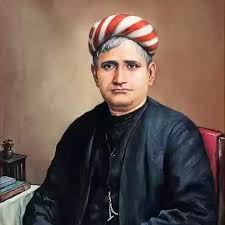
Bankimchandra Chattopadhyay’s novel ‘Anandamath’ was published in serial installments. It is believed that the song ‘Vande Mataram’ from this novel was composed on 7th November 1875, the day of Akshay Navami.
In 1896, Gurudev Rabindranath Tagore sang Vande Mataram at the Calcutta session of the Indian National Congress. Thereafter, it became customary to sing the first two verses of Vande Mataram at Congress gatherings. Gradually, the song found a cherished place in the hearts of Bharatiyas.
In 1905, during the protests against the Partition of Bengal, Vande Mataram became the rallying cry of the movement. In 1907, in Berlin, Madam Bhikaji Cama hoisted the tricolour flag bearing the words ‘Vande Mataram’ for the first time outside Bharat.
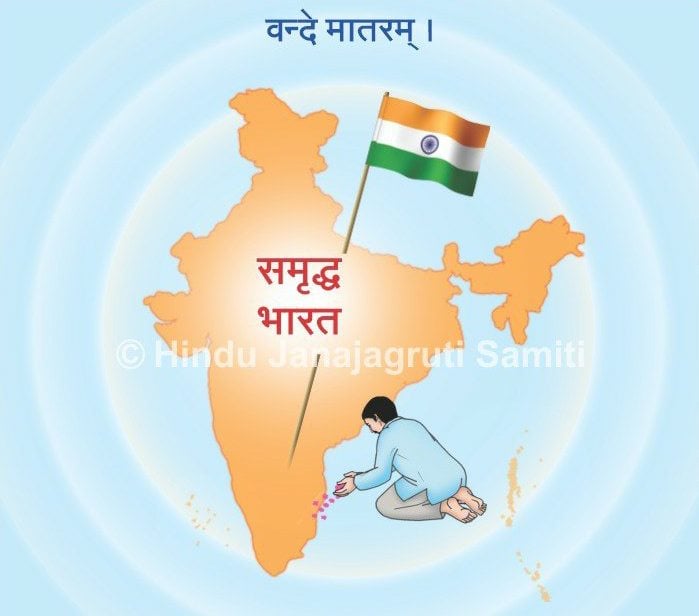
‘Vande Mataram’ gave freedom fighters and the common public the strength to withstand lathi blows on their heads and whiplashes on their open bodies. It was these words themselves that made the English rage with anger. Curzon’s chela, i.e. the Governor of Bengal had imposed a legal ban on uttering the words ‘Vande Mataram’. This ban resulted in ‘Vande Mataram’ getting nationwide importance. It became a National Mahamantra.
On 24th January 1950, Dr Rajendra Prasad, speaking in the Constituent Assembly, acknowledged the song’s significant contribution to the freedom struggle and declared that Vande Mataram should be accorded the same status and honour as the National Anthem.
Such is the historic and emotional significance of the song Vande Mataram. Learn more about the meaning, history and significance of Vande Mataram
Exhibition
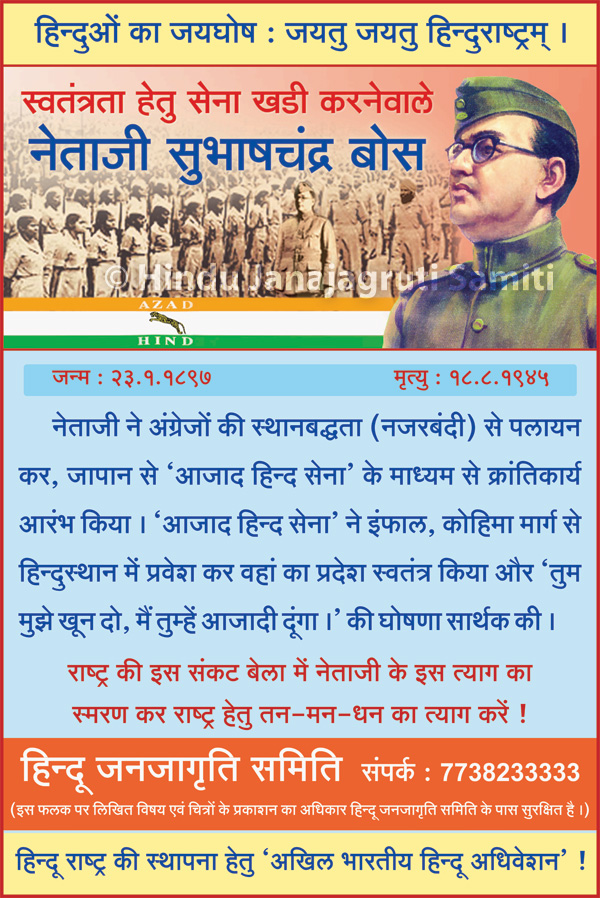
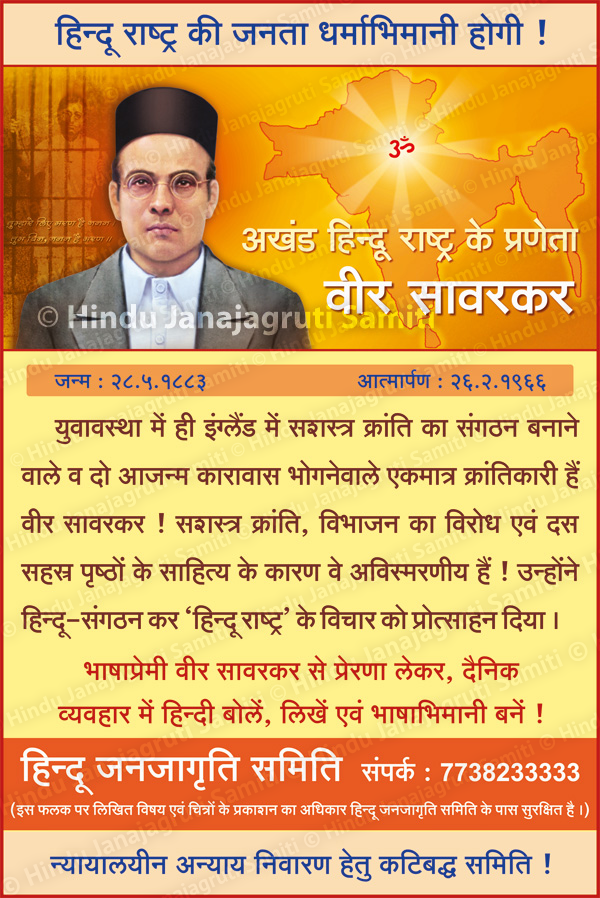
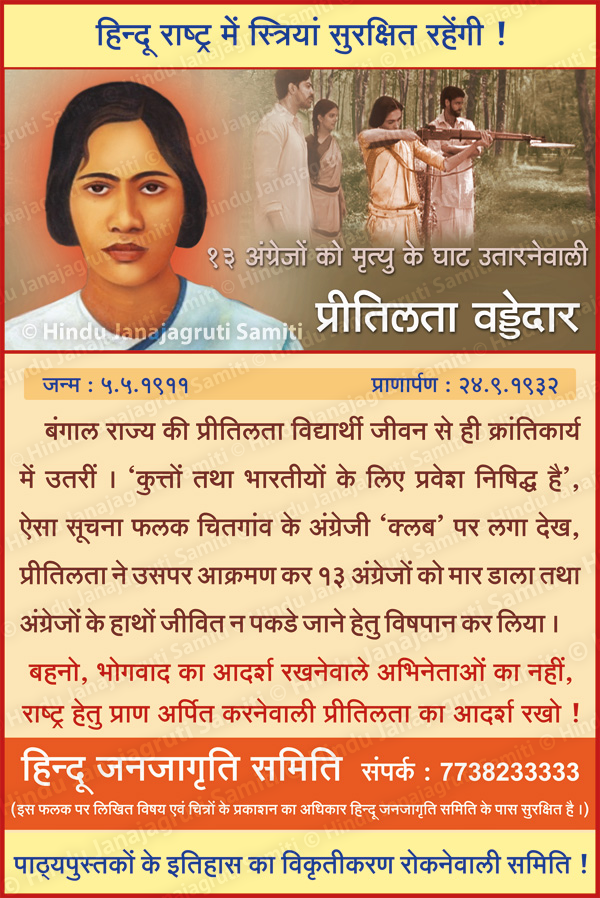
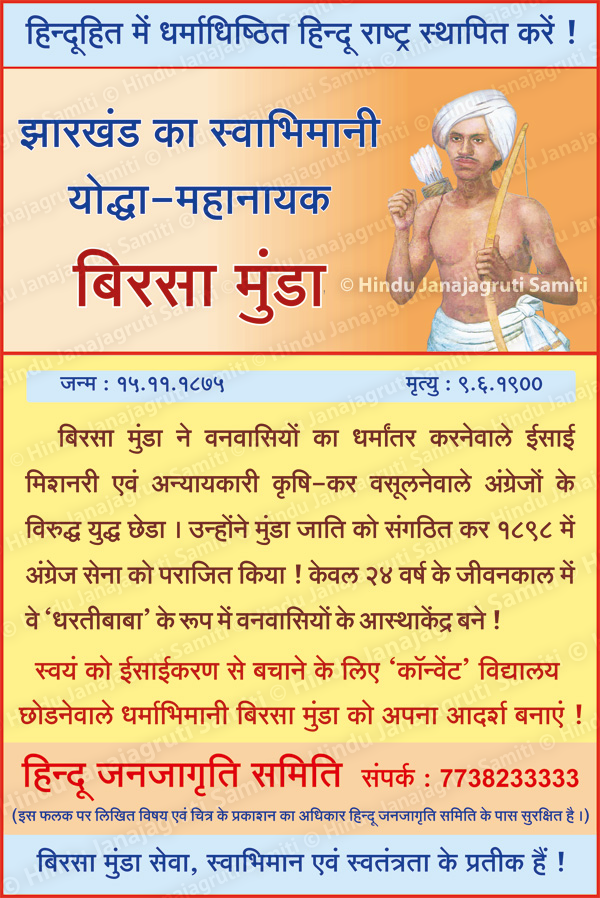
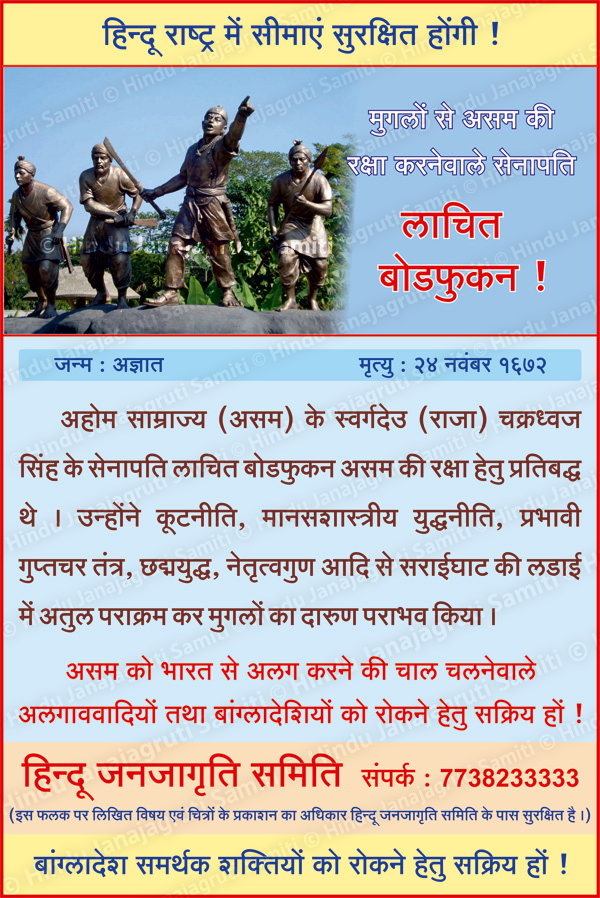
Help us obtain a venue and reach every Bharatiya with these inspirational stories of the unsung Heroes of Bharatiya Independence Movenment. HJS will supply the posters free of charge. Contact us –
Source – Sanatan Prabhat