Index
- Introduction
- Education
- Lokmanya Tilak’s Journalism
- Torture he had to go through for his principle of fearless journalism
- To ably point out the shortcomings in administration
- Journalism putting forth rational thoughts
- Journalism exposing the British Government’s repressive policies
- Journalism as a right to form public opinion
- Tilak’s journalism based in his belief in God
- Views of Lokmanya Tilak published in the weekly periodical ‘Kesari’
- Photo gallery of the valuable belongings of Lokmanya Tilak preserved at Kesariwada, Pune
Introduction
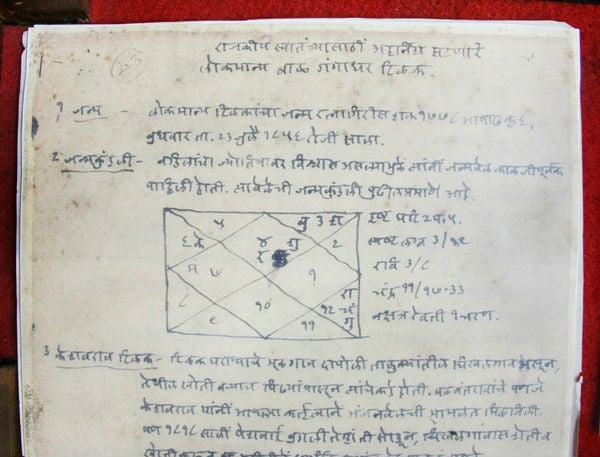
When India was under British rule, a few exceptional individuals were born who dedicated their body, mind, wealth, and soul to the upliftment of the country. One such shining jewel was Lokmanya Tilak. Tilak was a multi-faceted personality — a philosopher, mathematician, promoter of Dharma, and legal expert. was born in Ratnagiri on 23 July 1856. His original name is Keshav, but he is better known by his nickname ‘Bal’.
He was conferred the title of ‘Lokmanya’. His tough and fiery journalism played a pivotal role in initiating the pre-independence movement that transformed the mental outlook of the people.
Even after independence, a similar movement is needed to bring about psychological change among the people. The purpose of this article is to create such awareness among journalists and citizens.
Education
Lokmanya Tilak passed his Matriculation examination in the year 1873 and joined Deccan College in Pune. He was known as a sharp-witted student. In the year 1876, he passed the graduation (B.A.) examination securing first class. After his B.A, he studied law and obtained his LL.B. degree in 1879.
Lokmanya Tilak’s journalism
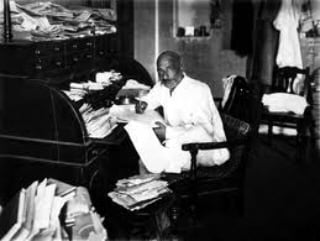
Tilak and Agarkar were friends. After completing their education they felt the need to contribute to the upliftment of the motherland through education. Under the leadership of Vishnu Shastri Chiplunkar, they established the New English School on 1 January 1880. Starting a school was only one part of Tilak’s broader vision of national service. He aimed to create awareness among the people and usher in a new era of hope. As part of this mission, he decided to launch two newspapers — Kesari in Marathi and Maratha in English.
Tilak described the nature of Kesari as follows: “Kesari will fearlessly and impartially discuss all problems. The growing mentality of appeasing the British is not in the interest of this country. The articles published in Kesari will be apt for its name — Kesari (lion).
Torture he had to go through for his principle of fearless journalism
Tilak learned that the British Government was repressing the Maharaj of Kolhapur through his manager, Shri Barve. Kesari published an article alleging that Barve was plotting a conspiracy against the Maharaj. Barve filed a defamation case against Kesari. Tilak and Agarkar were sentenced to four months’ imprisonment. After this first sentence, Tilak resolved to take a more active part in politics. He left prison determined and began working as editor of Kesari and Maratha.
To ably point out the shortcomings in administration
In 1896–97, the region of Maharashtra faced a severe famine. TTilak wrote articles in Kesari reminding the British Government of its duties under the Famine Relief Code. He also warned the officers who were trying to throttle the rights of the citizens and made an appeal to the people to fight for justice. Tilak showed how effectively one can serve the people, remaining within the framework of law.
Journalism putting forth rational thoughts
By then, Namdar Gokhale had started to present his views that the movement started by the Congress should be as per the charter. Lokmanya, however, did not agree with his views. In an article “Sanadshir or Kayadeshir (Charter-bound or Law-bound)”, he refuted Gokhale’s views as follows – “Britain has not set any charter of rights to Hindustan. Therefore, it is ridiculous to say that the movement should be conducted as per a charter. Hindustan is governed by laws made by the British. The question, therefore, remains is whether the movement is legal or not. When law and morality conflict, if need be, one should break the laws to follow the morals and quietly accept whatever punishment is given for the same.”
Journalism exposing the British Government’s repressive policies
The British Government was seeking an opportunity to crush the extremist (‘Jahal’) movement. It found one after the Muzaffarpur incident, where young revolutionary Khudiram Bose threw a bomb that missed the intended British officer and killed two English women. In his editorial in Kesari, Tilak condemned such terrorist acts but argued that the Government’s repressive policies were responsible for people to take to extremism. Five strong articles were published in Kesari on the issue. Tilak was arrested on 24 June 1908 on charges of sedition.
Journalism as a right to form public opinion
In court, Tilak argued for 21 hours and 10 minutes against the charges of treason leveled against him. He clarified that newspapers have the right to form public opinion and it is the duty of a newspaper to bring to the notice of the Government the nature of powers created in the political life of a country and warn against such powers. He asserted that he had not committed sedition.
Tilak’s journalism based in his belief in God
Tilak’s court speech was not merely a legal defense. It reflected his rational thinking, deep knowledge of law, love for the nation, and readiness to accept any punishment for his principles. Those who heard him were moved by his nobility and calmness.
When the jury declared him guilty, Judge Davar asked if he wished to say anything. Tilak replied calmly: “I am not an offender. Let the jury decide as it wishes. There is a supreme power above this Court that governs worldly matters. It may be God’s will that I receive this punishment to advance the mission I have undertaken.”
His philosophy of life mirrored his approach to politics. He believed in unarmed struggle alongside armed revolution. We offer our humble respects to this principled leader who fought for his country with unwavering faith until his last breath.
Views of Lokmanya Tilak published in the weekly ‘Kesari’
Advocating that the strength of people’s opinion is in their resolve
It is the duty of the leaders to create awareness among people and help to form their opinion. If, however, the Government tramples such awakened opinion of the citizens, what is the use of such awareness? Just like sea-waves crash against a mountain near its coast and return with same force, so is the condition of opinion of our people. One has to hold one’s nose to open mouth and if we are not going to do anything that would be disliked by the Government, the suppression will never end. The Government is humiliating people’s opinion like blades of grass. These blades of grass should be united to form a strong rope. Hundreds and thousands of people should connect with the same resolve as the strength of people’s opinion is not just in collection but in their resolve.
Ref: ‘Kesari’, 15th August 1905)
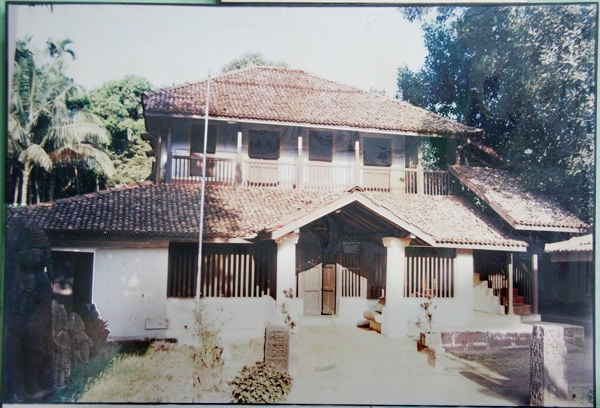
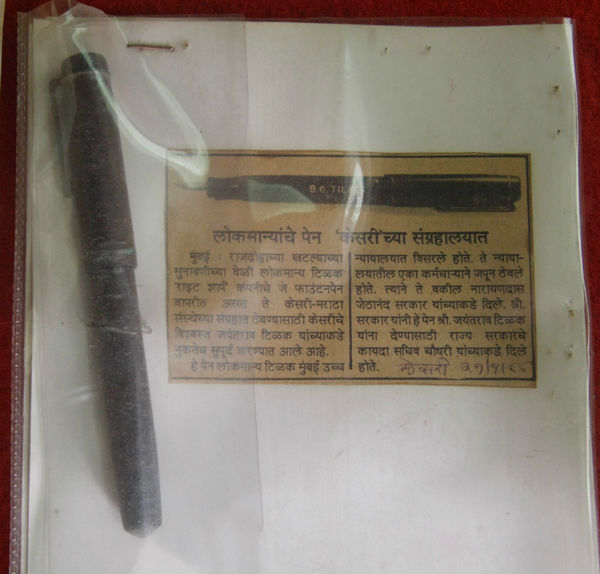
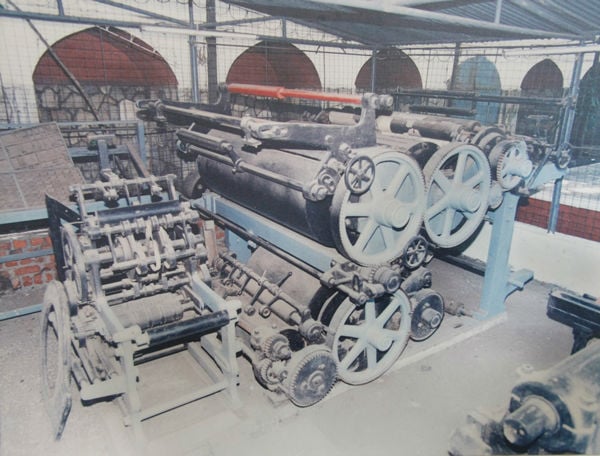
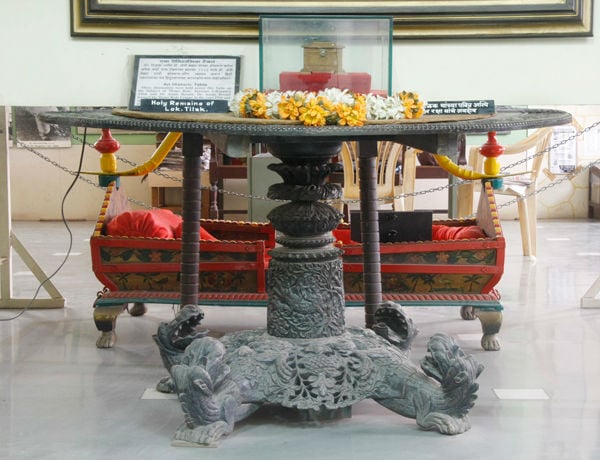
Photo gallery of the valuable belongings of Lokmanya Tilak preserved at Kesariwada, Pune
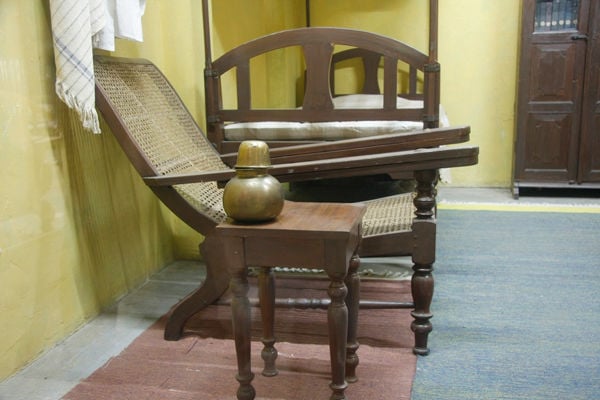
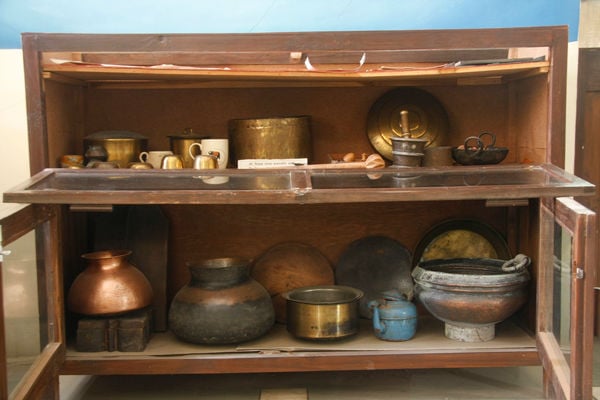
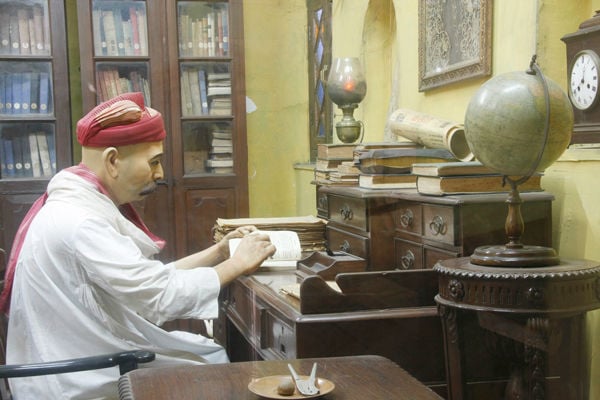
It is a historical truth that no nation prospers by forgetting the struggles of its great leaders. Many in Maharashtra have, however, forgotten this and remain ignorant of our glorious traditions — including that of Lokmanya Tilak. Descendants of Lokmanya Tilak have preserved valuable items used by him at Kesariwada, Pune. So thanking his descendants, we present this memoir in gratitude.
Reference : Dainik Sanatan Prabhat